
A 51-day grazing study in Wyoming recorded differences in plants selected by ewe breeds and across days spent in a paddock.
Fifty-one days in four paddocks
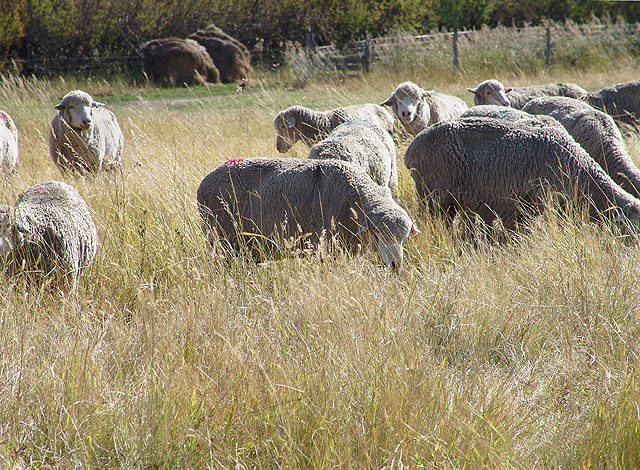
Researchers observed sheep grazing for 51 days in four paddocks on Wyoming mixed-grass prairie. The experiment included three ewe breeds and Dorper lambs. Bite observations were combined with DNA analysis of fecal samples.
Forbs and grasses
Dorper ewes consumed a broader range of plant species than Rambouillet ewes and took a larger share of observed bites from forbs. In the paddocks studied, forb selection fell around days 7 to 9, while grazing shifted toward grasses and related plants. The authors discussed a sheep-first, cattle-following system but did not test cattle outcomes.