Uzbekistan Slaughterhouse Equipment | Cattle and Sheep Projects
Cattle and Sheep Slaughter Equipment for Uzbekistan Projects
Uzbekistan is a growing market for regional meat processing, quality improvement and export-oriented investment. Most slaughter projects focus on cattle and sheep, with requirements for halal operation, hygienic separation, reliable utilities and documentation that supports certification and project finance.
Zhengye supplies restraint, bleeding, dressing, evisceration, inspection, splitting and chilling equipment. The line is configured around the actual capacity, building and certification target.
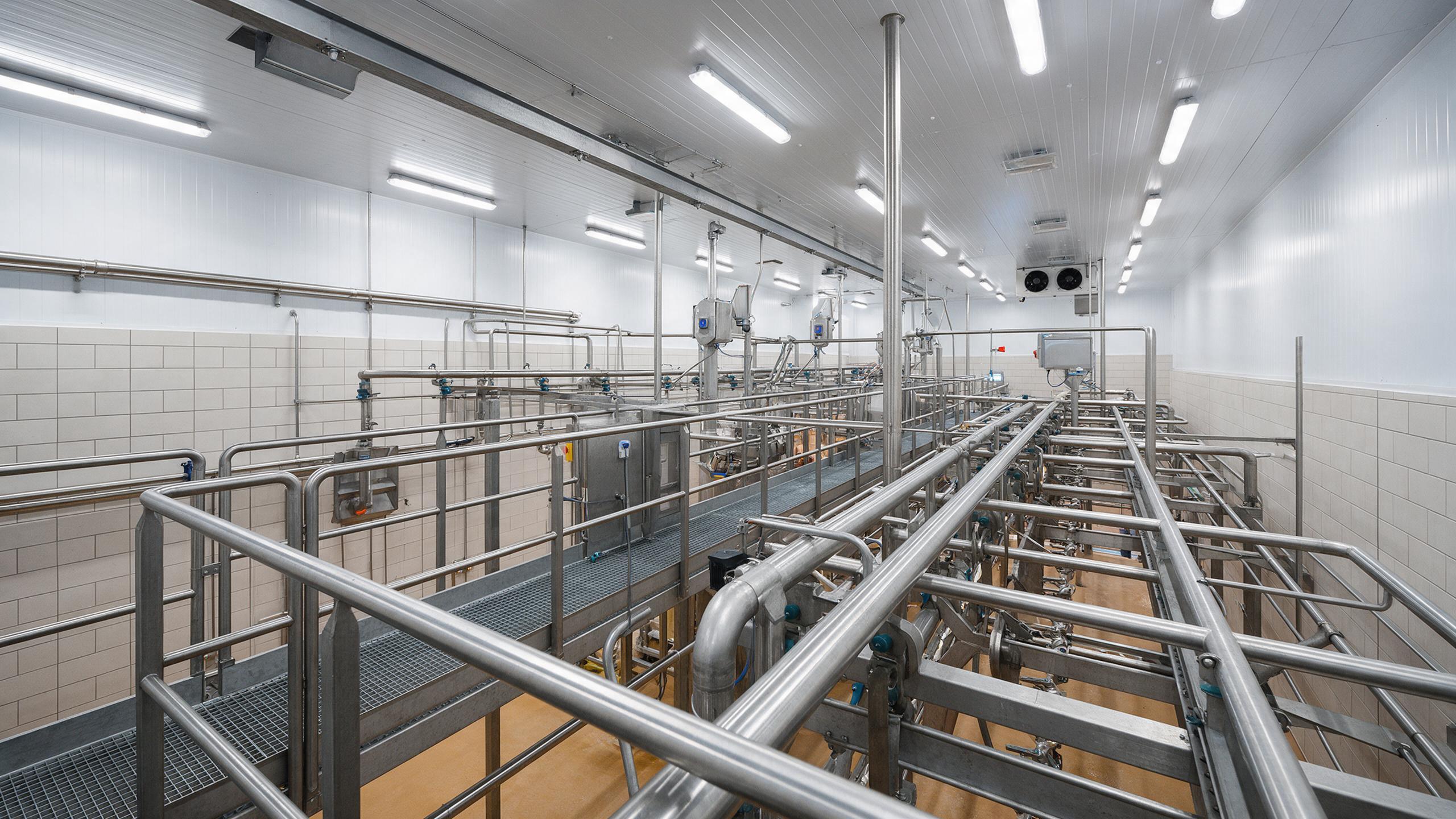
Why Uzbekistan Projects Need a Practical Master Plan
Many projects begin with a capacity target and a building concept, but the line cannot reach that target unless lairage, utilities, labor, inspection, waste handling and chilling are planned together. A master plan should separate what must be built now from what can be added later. This is especially useful when the owner expects the market or export program to develop over time.
The plant should define whether cattle and sheep will use separate lines, shared areas or different operating periods. Cattle require heavier restraint and hide handling. Sheep lines are more compact and can use different skinning and rail arrangements. A shared building can work if the process, cleaning and utilities are coordinated, but the design should be explicit rather than improvised.
Start with raw material and market demand
Capacity should follow animal supply, working days, product mix and the realistic sales plan. A line that runs below its economic utilization can cost more than a smaller staged project.
Typical Equipment Scope
Receiving and lairage
Unloading, holding, inspection and controlled movement to restraint.
Restraint and bleeding
Cattle box or head restraint, sheep cradle, stunning option and bleeding rail.
Dressing
Hide puller, cattle platforms, sheep skinning equipment, head and hoof stations.
Evisceration
Pans, transfer rails and tool control for hygienic separation.
Splitting and inspection
Saw, product identification and control of held or condemned material.
Chilling
Transfer rails and cold-room interface matched to the line rate.
Cattle and Sheep Capacity Planning
Cattle projects may range from small regional lines to larger plants of several hundred head per day. Sheep lines can cover much higher daily counts but are often constrained by seasonal supply, labor and chilling. The quotation should state the animal weight, operating hours, number of workers and hourly balance, not only a daily headline figure.
The design should identify the slowest station. Hide removal, inspection or chilling may limit output even if the slaughter station can process faster. See the halal cattle slaughter line and halal sheep and goat line for process details.
Halal and Export Preparation
Uzbek projects may target a local halal certificate, a future OIC or GCC market, or both. The method, stunning policy, personnel, product identification and records should be confirmed with the relevant authority. A certificate accepted for one market is not automatically accepted in another. See the Uzbekistan halal certification page for the planning sequence.
Utility and Climate Conditions
- Weather protection for outdoor utilities
- Water pressure and winter freeze protection
- Reliable power and voltage protection
- Steam, hot water and compressed air
- Drainage and waste handling
- Control-panel dust and moisture protection
- Non-slip wet areas
- Spare parts for critical machines
- Maintenance access for local staff
- Cold-room capacity matched to the line
Hygienic Layout for Cattle and Sheep
The line should keep live animals away from clean product, separate hides and skins from exposed carcasses, and provide practical knife and hand-wash points. Drainage should carry water away from clean operations. Product identity should remain visible through inspection, splitting and transfer to the chiller. Condemned material should have a controlled route.
If the building has limited space, the project team should review the process sequence before deciding to combine rooms. A compact layout can be hygienic, but only when the flow, cleaning and worker movement are designed together.
Project Delivery and Documentation
| Phase | Buyer action | Supplier deliverable |
|---|---|---|
| Planning | Capacity, animal mix, site and certification scope | Process flow and equipment concept |
| Design | Building measurements and utility data | Layout, equipment list and utility schedule |
| Manufacturing | Drawing approval and FAT plan | Equipment, controls and documentation |
| Delivery | Import, transport and unloading | Packing and shipment documents |
| Installation | Power, water, lifting and site labor | Supervision, alignment and commissioning |
| Handover | Operators and maintenance access | Training, manuals and test records |
Factory Test and Site Acceptance
Factory acceptance testing should verify operation, controls, safety and major functions before shipment. Site acceptance then checks installation alignment, utility interfaces and production performance. The buyer should agree on the test items and acceptance criteria in advance. Recording defects and corrective actions prevents ambiguity at handover.
How to Compare Suppliers
Compare capacity basis, materials, motors, reducers, control components, fabrication quality, documentation and service scope. Ask how spare parts will be supplied and who supports commissioning. A supplier with a clear engineering process is usually easier to manage than one that only sends a machine list.
A successful handover also depends on operating data. The plant should record actual throughput, downtime, animal weight, water and energy use, cleaning time and maintenance events after start-up. This information shows whether the line is meeting its design basis and where future improvement should focus. If the first month reveals a bottleneck, the data helps distinguish a capacity issue from a training, utility or raw-material issue.
Frequently Asked Questions
Can you supply separate cattle and sheep lines?
Yes. Separate lines are easier to optimize when capacity is high. Shared areas can be considered for smaller projects with controlled changeover.
Can the line be prepared for export certification?
The equipment and process can be designed with documentation and traceability in mind. Final certificate scope and market acceptance must be confirmed with the authority.
What utilities are required?
Power, water, drainage, compressed air and usually hot water or steam. The exact load is calculated from the selected line.
Can a local contractor install the equipment?
Yes, with supplier drawings and supervision. The scope and responsibilities should be agreed in advance.
Can the project be delivered in phases?
Yes. Plan the final flow and reserve space and utility capacity so later stages do not disrupt the first line.
Prepare an Uzbekistan line around real raw material and export goals
Send the species, capacity, site, utilities and certification target. We will define the equipment and documentation package.