Thailand Slaughterhouse Equipment | Pig, Cattle and Sheep
Pig, Cattle and Sheep Slaughter Equipment in Thailand
Thailand has a mature food-processing market, but many slaughter facilities still face labor pressure, older equipment, hygiene upgrades and the need for more reliable product flow. Buyers compare new Zhengye lines with manual operations, European systems and used equipment.
Zhengye can scope pig lines first, with cattle or sheep equipment for buyers serving a mixed product range. Every proposal starts from live weight, capacity, building constraints and the required level of automation.
What Thai Buyers Usually Compare
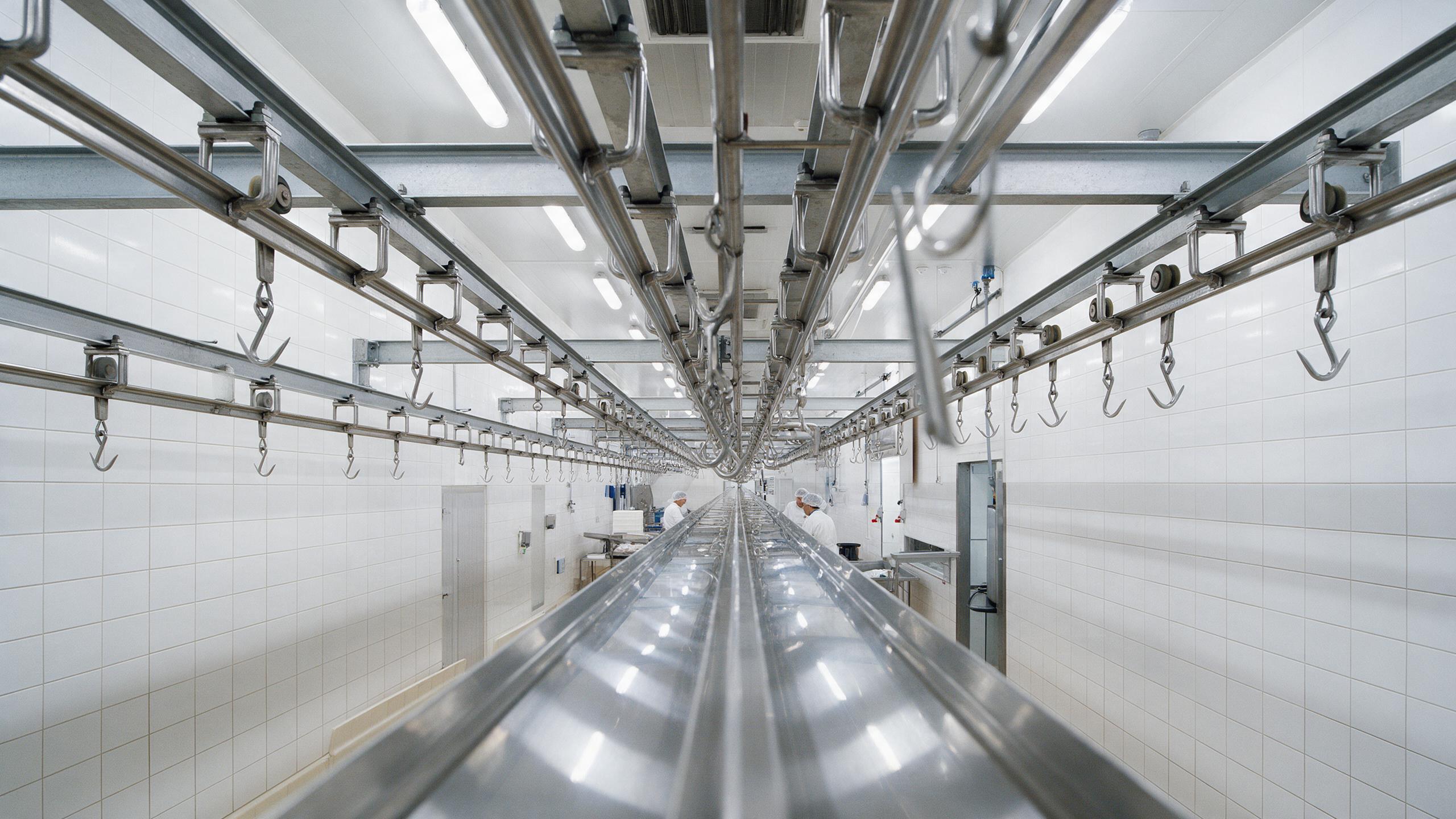
A new line is often evaluated against three alternatives: keep the existing manual process, buy used equipment or invest in a controlled system. The cheapest purchase price is not the lowest total cost if the used line has no capacity data, missing documentation or difficult spare parts. A properly scoped new line can provide predictable output, cleanable design and a clear maintenance plan.
The strongest justification links equipment changes to operational problems: too many workers, inconsistent scalding, slow evisceration, excessive product damage, difficult cleaning or a chilling bottleneck. The project should quantify those problems before the equipment list is written.
Automation should match the organization
A highly automated line requires stable raw material, trained maintenance and predictable demand. A small or variable plant may get better value from a robust semi-automatic line.
Pig Line Equipment
Stunning and bleeding
Handling, restraint, stun equipment and bleeding rail sized for pig weight and throughput.
Scalding and dehairing
Scalder, dehairer, singeing and polishing selected for the required finish.
Evisceration
Platforms, pans and tool control for hygienic separation of edible and waste material.
Splitting and inspection
Saw, rail and inspection positions with product identification.
Washing and transfer
Carcass washing and controlled movement into the chiller.
Controls and safety
Motor controls, stops and maintenance access suitable for the facility.
Cattle and Sheep Equipment
Cattle processing requires a different restraining and hide-handling solution. Sheep and goat equipment is more compact but still needs a controlled slaughter position, bleeding time and hygienic skin handling. If a plant wants to add red meat later, the master plan should reserve separate space and utilities. See the cattle line and sheep line.
Upgrading an Existing Thai Plant
An upgrade can focus on one bottleneck at a time. For example, a plant may first replace scalding and dehairing, then improve evisceration and splitting, and later add automation or chilling capacity. This approach reduces capital pressure, but the sequence must be planned. A new machine may require more power, water, drainage or floor space than the existing room provides.
The temporary operating plan is just as important as the final design. The plant must maintain hygiene and production while equipment is removed and installed. Temporary barriers, cleaning routines and staff movement should be reviewed before work begins.
Automation Level and Labor Planning
| Level | Typical configuration | Best fit |
|---|---|---|
| Manual / basic | Standard machines with more manual transfer | Low volume and limited maintenance capability |
| Semi-automatic | Powered stations, conveyors and linked controls | Growing plant with stable product flow |
| Higher automation | Automatic transfer, monitoring and larger capacities | Industrial production and multi-shift operation |
Hygiene and Utility Design
- Clean and dirty product routes
- Knife and hand-wash stations
- Drainage and floor slope
- Water pressure and quality
- Steam and hot-water supply
- Electrical protection and control location
- Condensation and pest control
- Product identification through chilling
- Maintenance access without crossing hygiene zones
- Spare parts for critical equipment
Total Cost and Payback
A project budget should include equipment, shipping, import costs, civil work, utilities, installation, commissioning, spares and training. Labor savings, improved yield, reduced downtime and better product quality can create the return, but the assumptions should be measured against the current plant. Price pages and generic ROI claims are not a substitute for a site-specific model.
How to Prepare a Reliable Upgrade Brief
Start with a baseline measurement of the current plant. Record actual pigs or cattle per hour, labor positions, weight range, waiting time, breakdowns, water and power use, product damage and cleaning time. Photographs and a measured plan should accompany the description. This evidence shows whether the bottleneck is the scalding station, the dressing line, the chiller or simply the building layout.
Define what must remain unchanged. Some plants cannot move a wall, change the floor slope or stop production for more than a few days. Others can plan a full shutdown but need the new line to start on a fixed date. The supplier should know the construction window, the availability of local contractors and the maximum module size that can enter the building. A technically good design can still fail if it cannot be installed in the real operating environment.
For a staged project, write down the final process first. The first stage should not block the later route for carcasses, offal, workers or maintenance. Temporary equipment and barriers must also support cleaning and product separation. A clear master plan lets the plant invest in the most valuable bottleneck now while preserving the option to automate or expand later.
Factory Test, Shipment and Start-Up
Before shipment, the plant should approve drawings, confirm motor and control specifications, review the equipment list and agree on factory acceptance testing. The test should show that key machines run, controls function and safety devices work. The buyer may attend in person or review photo and video records when travel is not practical. Packing should protect stainless surfaces, electrical panels and moving parts from moisture, impact and long storage.
Start-up should include mechanical alignment, electrical checks, no-load testing and production testing. Operators need training on settings, cleaning, lubrication, fault response and safe shutdown. Maintenance should receive a spare-parts list and a schedule for inspection. A structured handover makes it easier to separate normal process adjustment from an equipment defect during the warranty period.
Frequently Asked Questions
Can you replace only the scalding and dehairing line?
Yes, if the existing building, utilities and carcass flow can support the new equipment. A site measurement is required.
Can the line use a partial automatic configuration?
Yes. The automation level can be set by station, depending on labor, capacity and budget.
Do you supply cattle and sheep equipment?
Yes. These can be separate projects or part of a staged master plan.
How do we compare a new line with used equipment?
Compare capacity evidence, condition, spare parts, documentation, energy use, sanitation and remaining life, not only purchase price.
What information is needed for an upgrade proposal?
Existing layout, photos, equipment list, capacity, weight range, utility capacity and the bottleneck to be solved.
Define the bottleneck before replacing the line
Send the current equipment, throughput, weight range and building constraints. We will prepare a staged or complete upgrade scope.