
ZHENGYE / NEWS & UPDATES
Original technical notes and sourced industry updates for pig, cattle and sheep slaughterhouse planning. Each article includes practical project inputs, related equipment guidance and the information review date.
15 October 2026
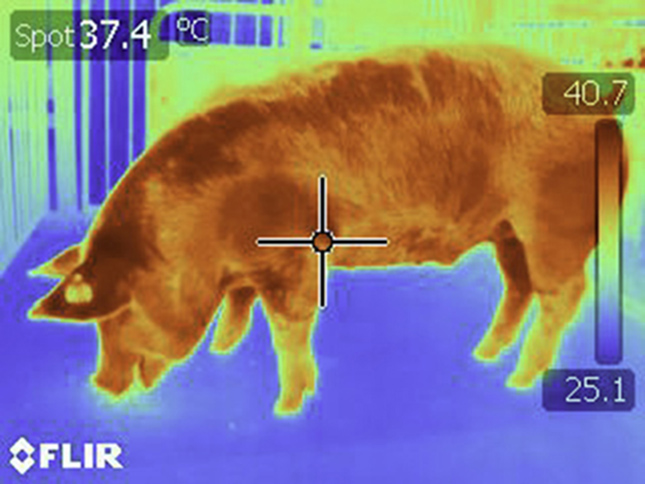
Pig heat-stress monitoring: connect forecasts, pen observations and cooling
A thermal picture or weather alert starts a check; it does not diagnose a whole herd. Link warning signs to water, airflow and recorded action.
Read update →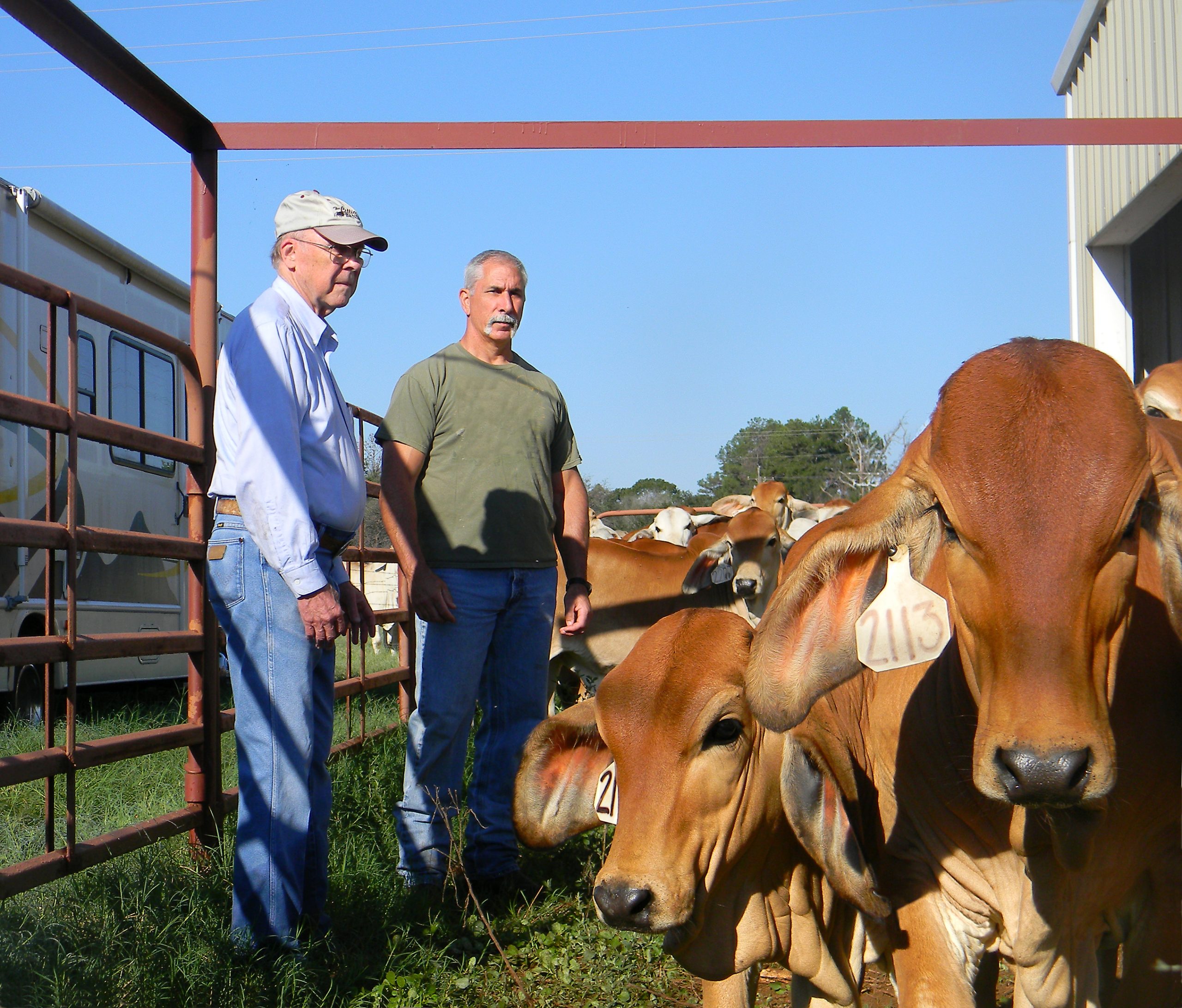
Cattle loading stress: design the receiving ramp as part of the journey
Transport welfare starts before the truck moves and continues when it unloads. The ramp, footing and observation route deserve their own drawing.
Read update →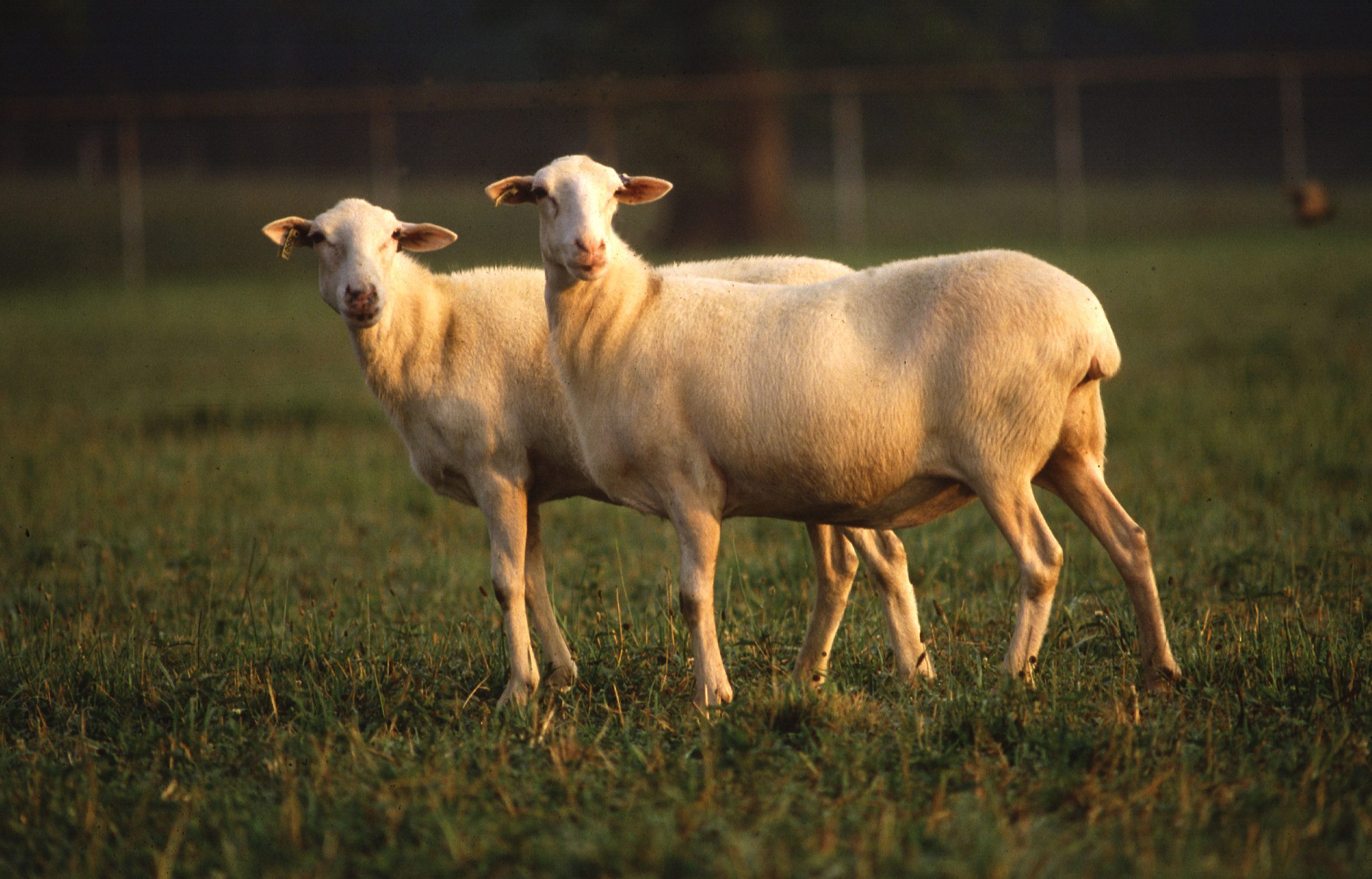
Sheep parasite-resistance breeding: keep measurements with the flock record
A breed name is not a health certificate. Parasite-resistance selection needs flock-level observations, veterinary interpretation and traceable records.
Read update →
Slaughter-equipment hygiene: inspect access and cleanability before choosing steel
A stainless-steel label does not make a line self-cleaning. Inspect contact surfaces, joints, service access and verification before sign-off.
Read update →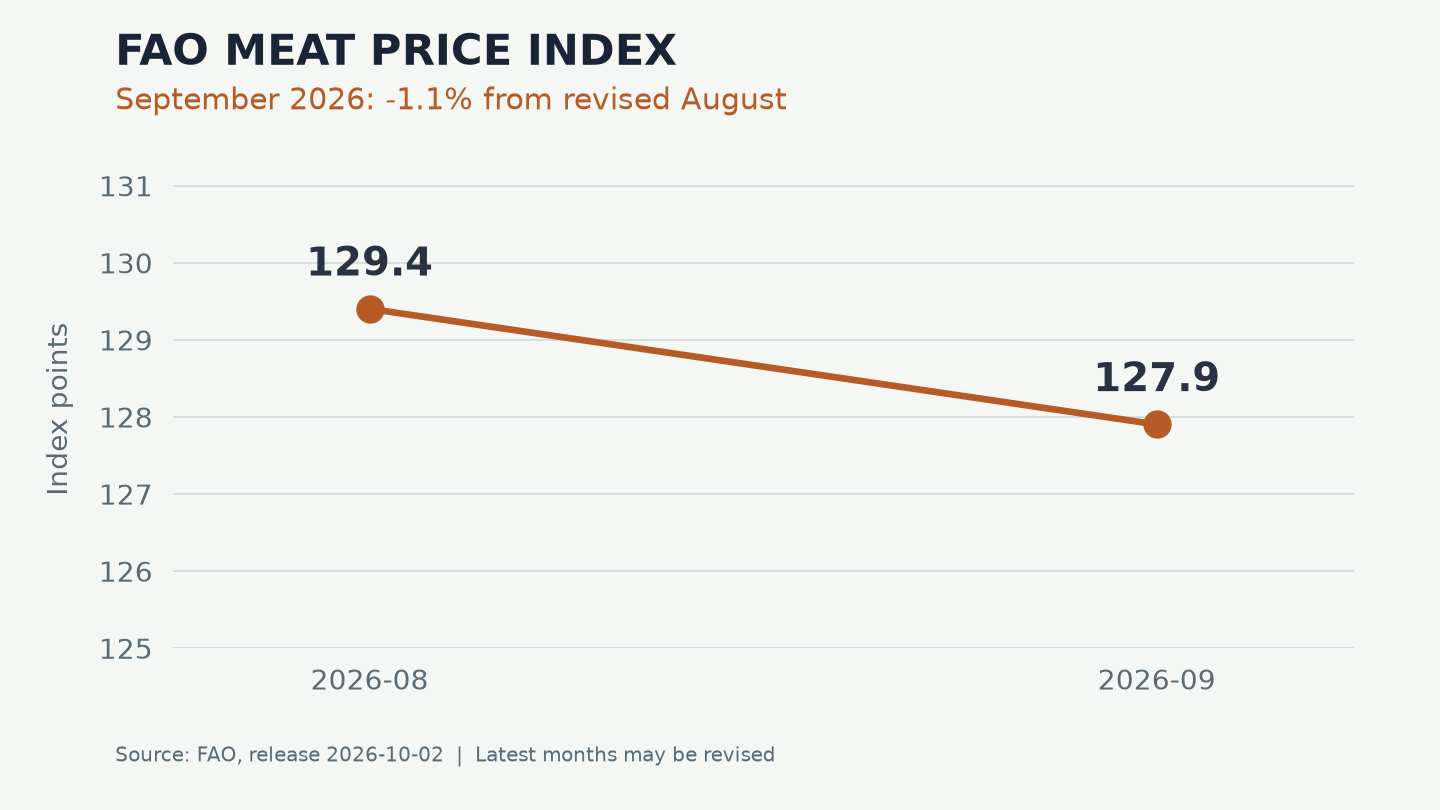
FAO September meat index falls: read pig, cattle and sheep signals separately
FAO's September meat index declined while its overall food index rose. The difference matters when interpreting pig, cattle and sheep markets.
Read update →14 October 2026
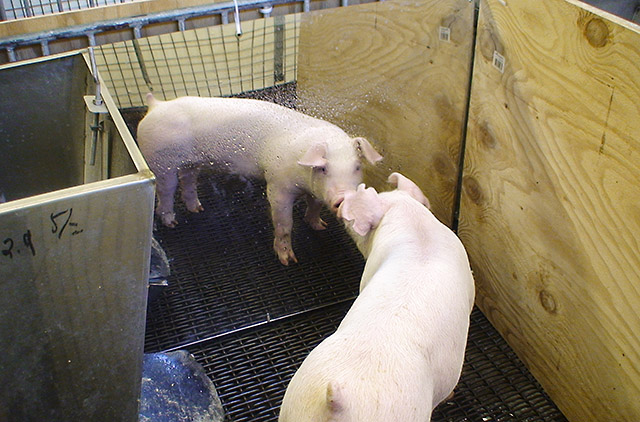
Pig enrichment in housing: make materials part of a welfare check
A chewable object on its own is not a welfare plan. Match enrichment to pig behaviour, then check animal responses and upkeep in the actual pen.
Read update →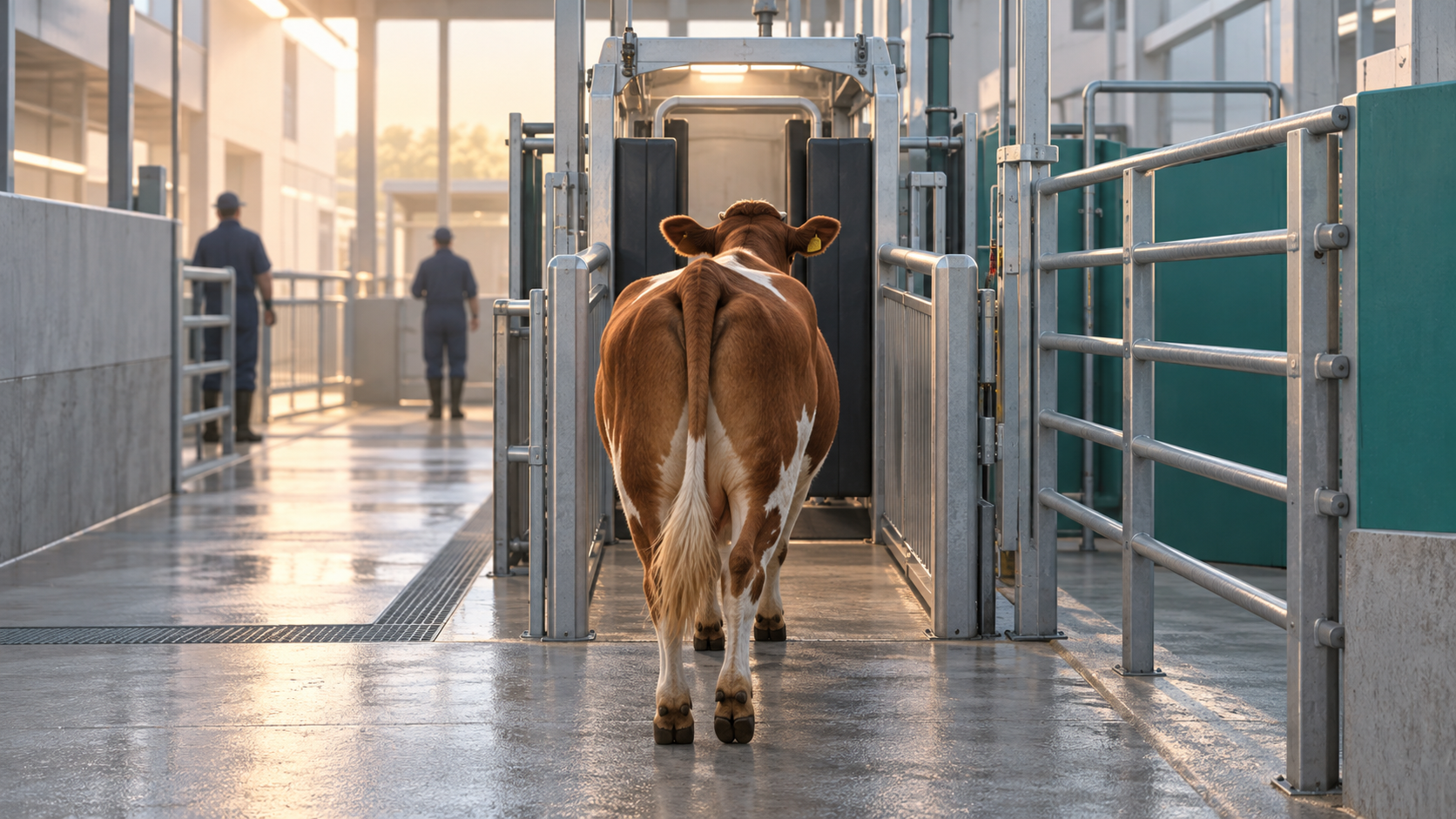
Cattle stunning welfare checks: plan observation and an immediate backup
A functioning stunner is only one part of the process. Specify who observes the animal, when checks occur and what happens if the first stun fails.
Read update →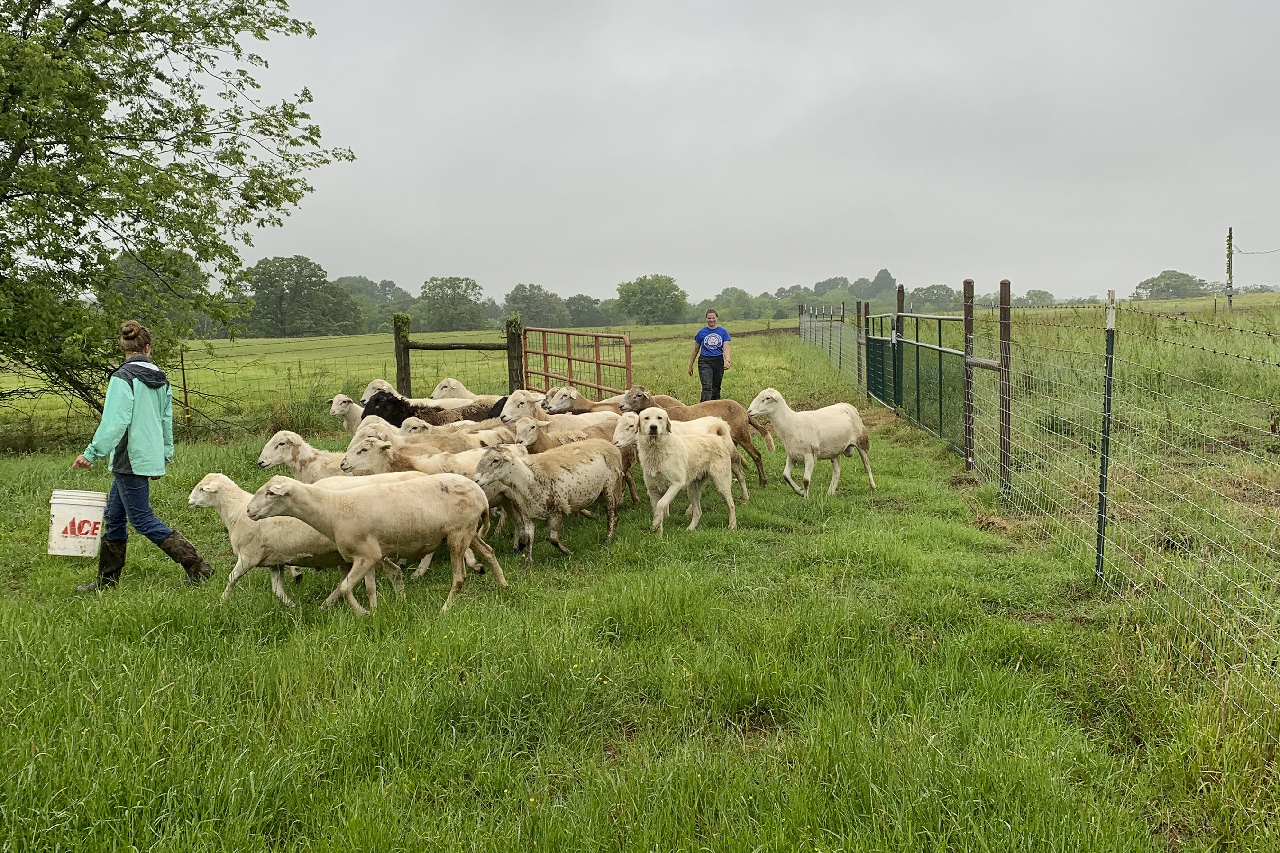
Sheep raceway handling: small groups, clear footing and calm movement
When sheep hesitate in a raceway, inspect the path and handling practice before pushing harder. Small groups and visible footing are practical design checks.
Read update →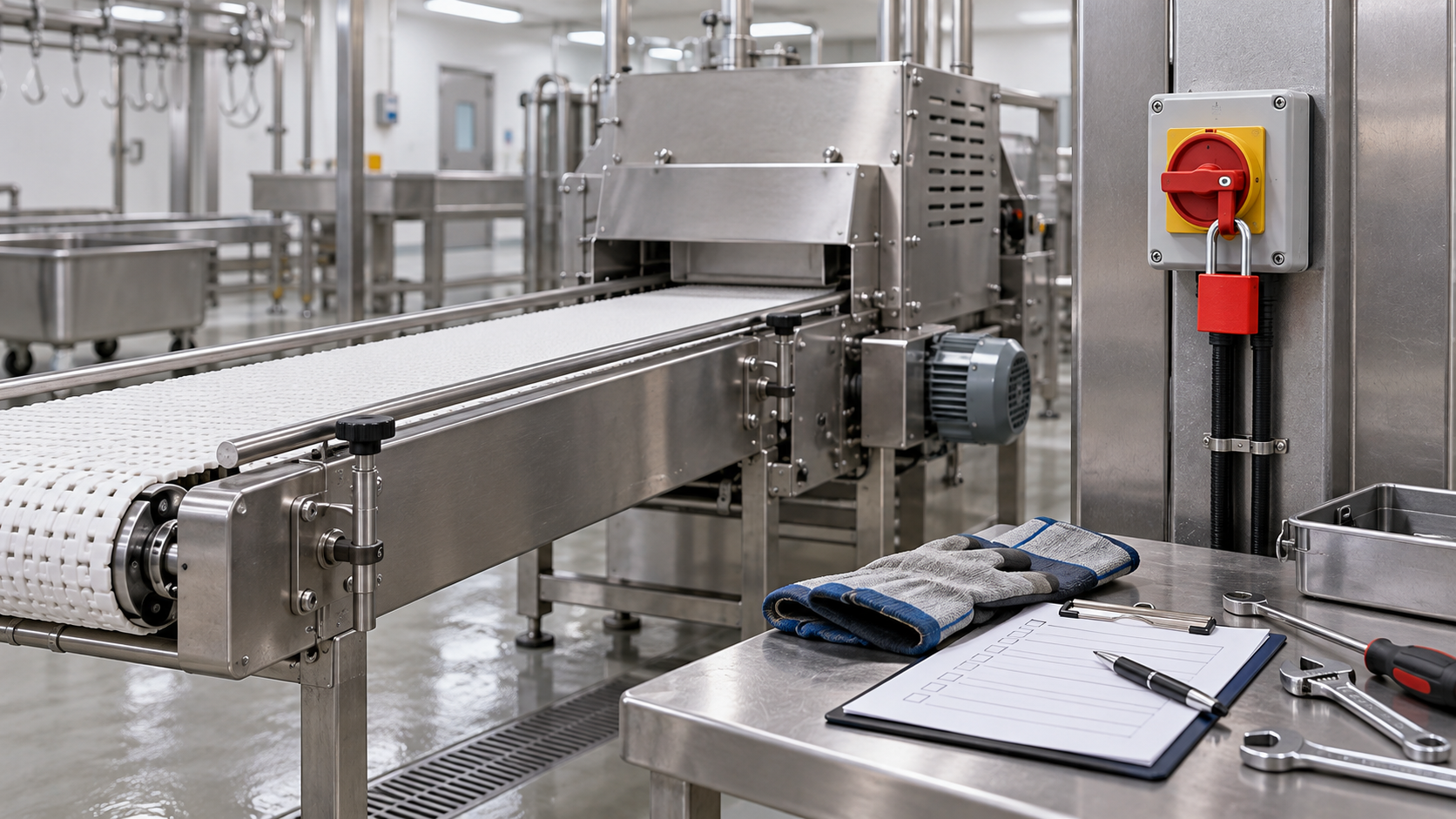
Slaughter equipment maintenance: map energy isolation before the shift
A stop button is not an isolation plan. Equipment briefs should identify each energy source, who controls it and how a safe maintenance handover is verified.
Read update →
USDA October outlook: U.S. beef imports up, pork exports revised down
The October USDA forecast raises U.S. beef import volume and lowers pork exports versus its September projection. These are annual meat forecasts, not today’s live-animal quotes.
Read update →13 October 2026
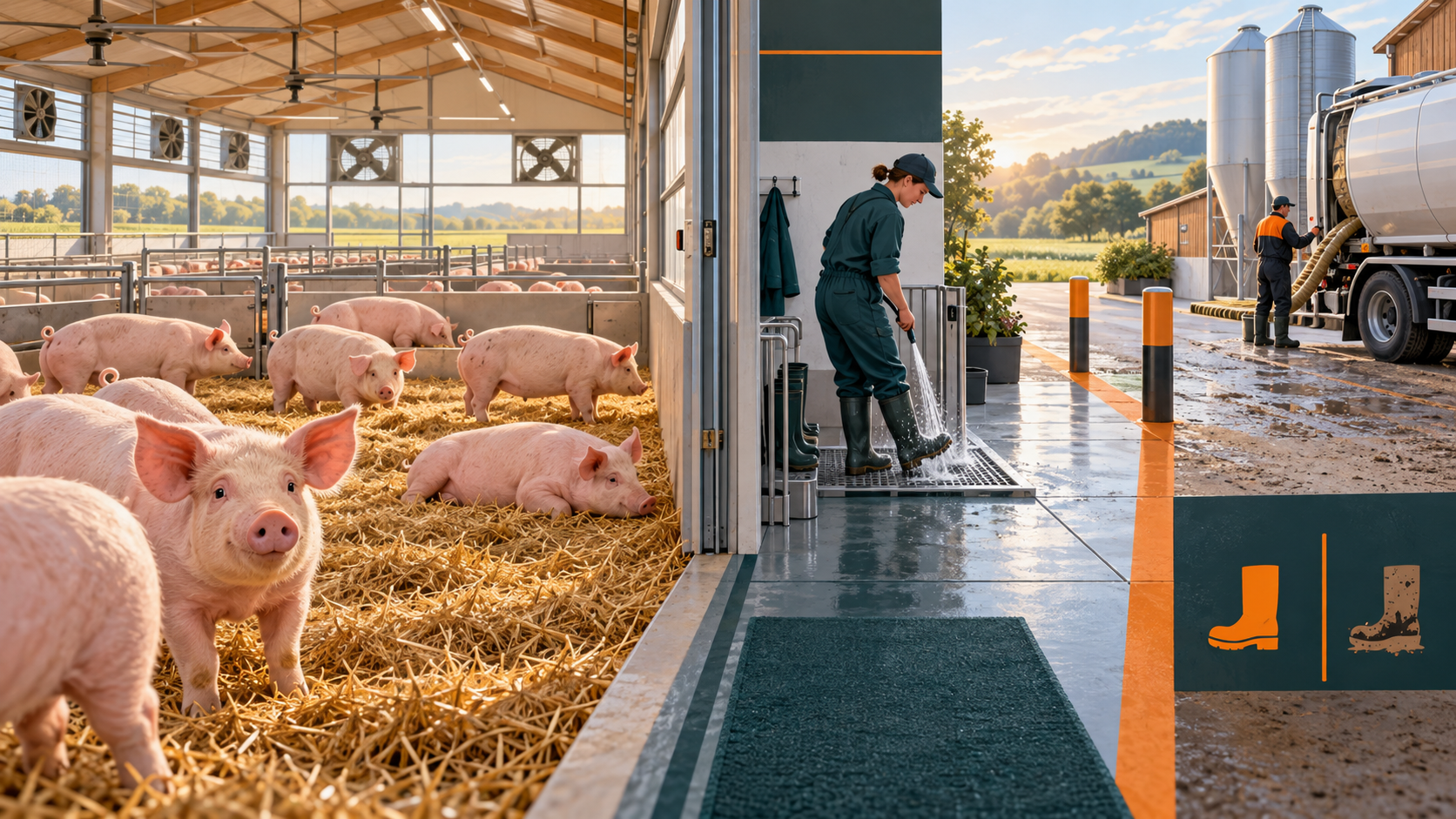
Pig transport biosecurity: protect the farm-to-abattoir handover
The delivery boundary connects farms, vehicles and receiving pens. Plan who crosses it, where equipment is cleaned and how each handover is recorded.
Read update →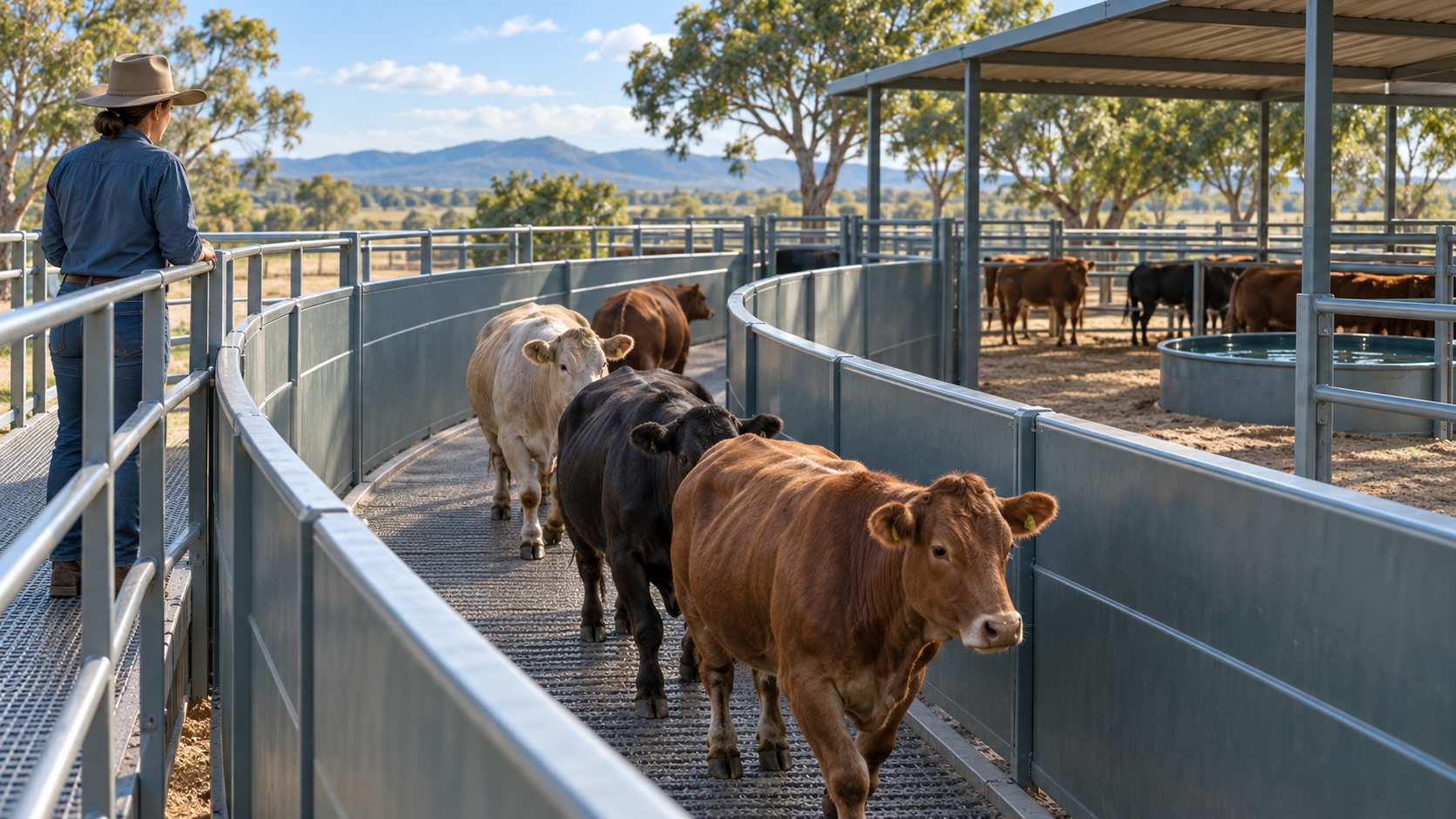
Cattle arrival: connect unloading, drinking water and calm lairage
Good arrival planning connects the truck ramp to pens, water and safe staff access. Observe animals to identify where the route needs improvement.
Read update →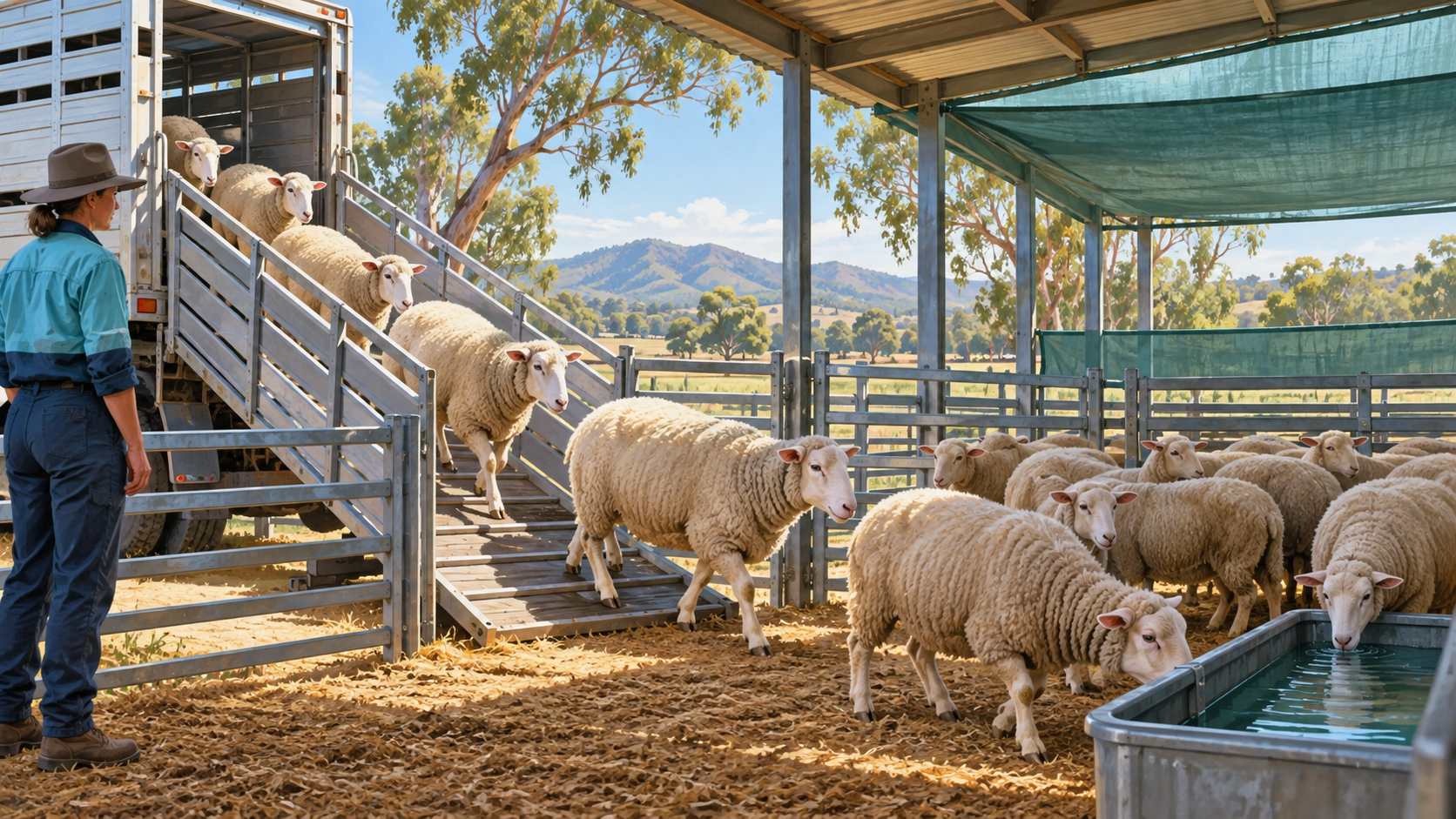
Sheep parasite control: use monitoring and new-arrival records
Parasite management needs evidence, not just a calendar. Keep sampling, treatment checks and incoming-group records together before planning delivery.
Read update →
Slaughter equipment hygiene: design for cleaning and inspection
A stainless appearance does not answer how a machine is cleaned. Confirm access, inspection points and written responsibilities before ordering.
Read update →
FAO September meat index falls: separate trade signals from livestock quotes
September’s meat index eased as pig and poultry prices fell, while bovine and ovine prices were broadly stable. Local livestock quotes still need separate checks.
Read update →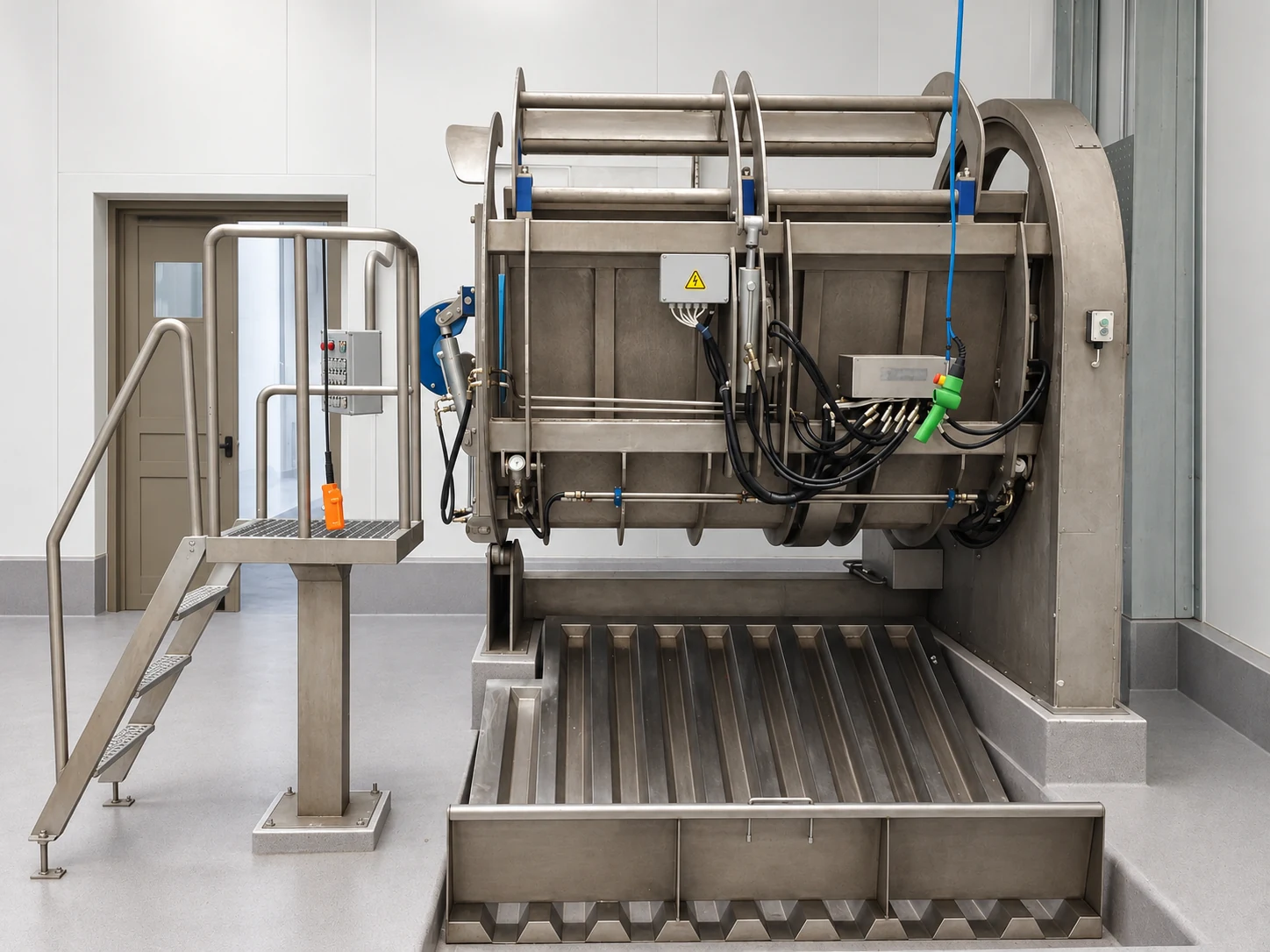
Indonesia confirms 18 October 2026 halal rollout: abattoir planning checks
BPJPH's latest announcement confirms the next implementation date. See how the different phases relate to cattle and sheep facility drawings and equipment discussions.
Read update →
Existing-building survey checklist before a slaughter-line retrofit
Prepare a measured plan, retained-equipment register, numbered photographs and interface list before selecting replacement equipment for an existing slaughterhouse.
Read update →
What to agree before equipment FAT and site commissioning
Agree the equipment scope, factory check conditions, site readiness, outstanding-item record and handover responsibilities before shipment and commissioning.
Read update →Discuss your slaughter line requirements
Share your animal type, target output, country and building information to start a project discussion.
Get a Proposal →