
Key points
- USDA ARS reported that handling and loading contributed strongly to stress in the cattle study it summarized; the finding is study-specific.
- WOAH asks for loading facilities matched to animals, with non-slip flooring and light that supports observation.
- A receiving drawing should connect vehicle height, ramp, holding space, inspection access and exception handling.
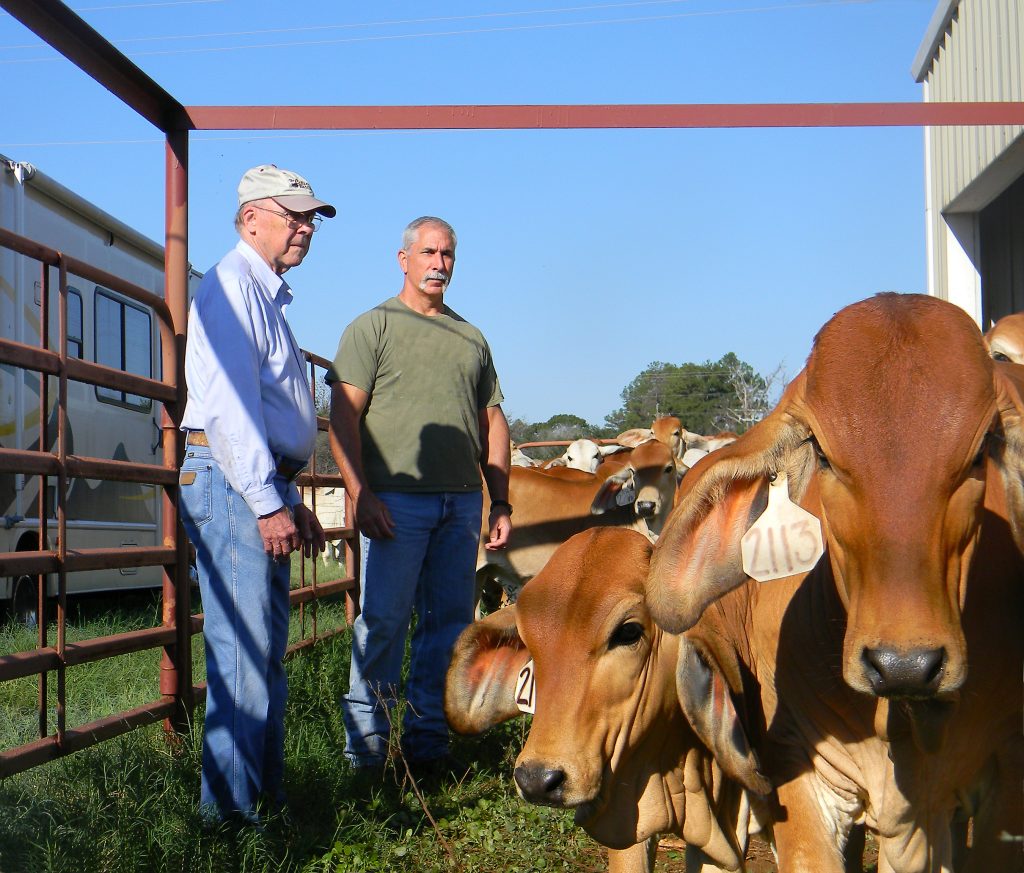
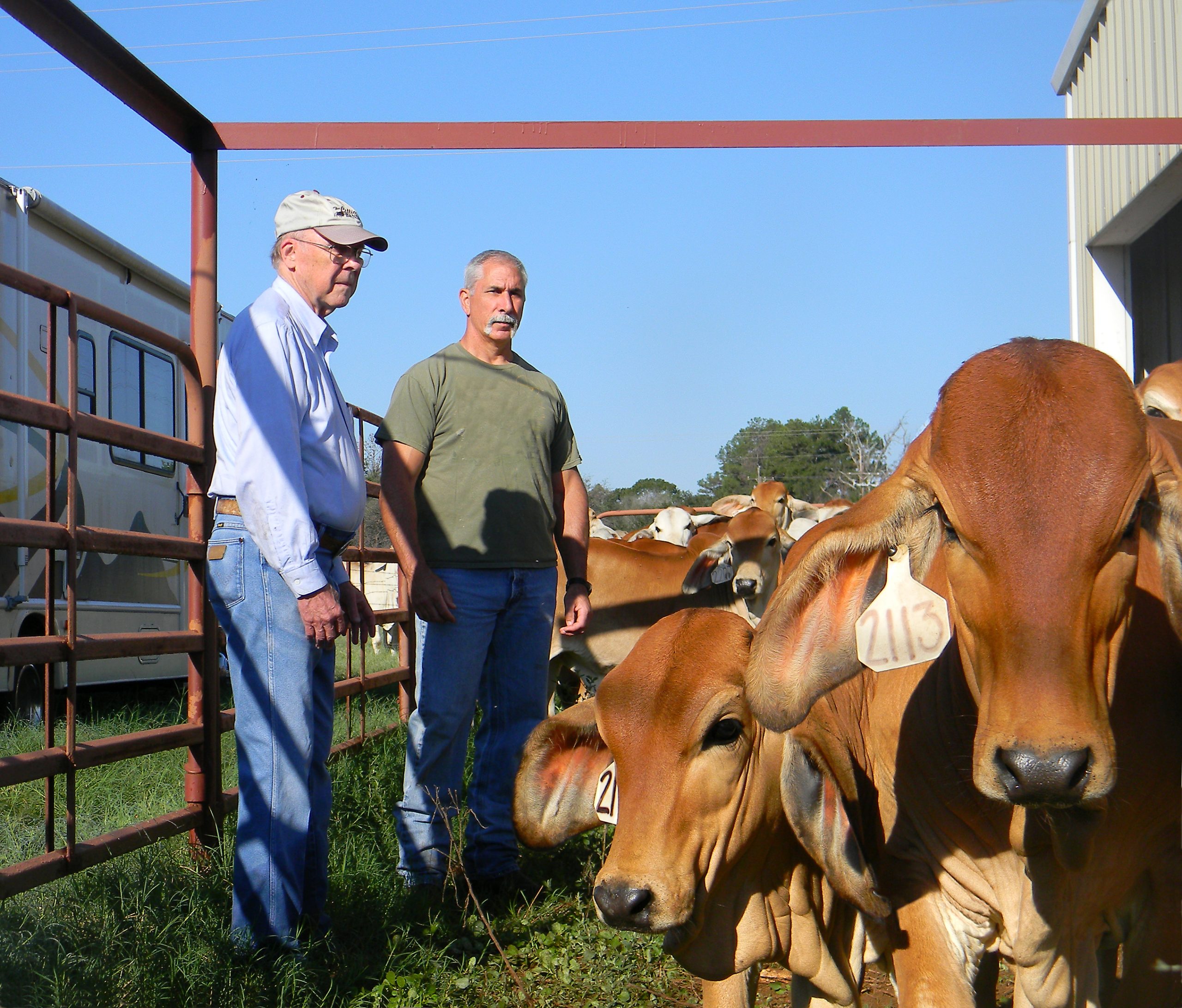
Transport welfare starts before the truck moves and continues when it unloads. The ramp, footing and observation route deserve their own drawing.
Treat loading as a distinct event
In its 2013 research summary, USDA ARS reported that handling and loading were a major source of stress for cattle in the studies described. This does not mean journey duration or vehicle conditions are unimportant, or that one result predicts every herd. It means a receiving brief should examine the moments before and after travel rather than drawing only the truck route.
Check the physical transition
WOAH Chapter 7.3 describes loading areas, races and ramps designed for animal size and ability, with suitable slope, surfaces, no sharp projections, non-slip footing and lighting that lets handlers observe movement. On a proposed site plan, show the truck interface, height difference, drainage, gates and a route free of abrupt dead ends. These are design questions, not universal ramp dimensions.
Make observation and exceptions possible
The workflow should let trained staff notice slipping, hesitation or an animal unable to move, then divert it without forcing it through the normal flow. Keep a safe inspection position and a holding or veterinary response route in the plan. Record arrivals, observed problems and corrective actions to improve the process rather than relying on a throughput target alone.
Evidence and limits
This original design interpretation was checked on 15 October 2026. The ARS study summary dates from 2013 and the WOAH code chapter is cited in its 2024 edition; neither is described as a new 2026 rule. Local welfare, building and workplace requirements still govern the final design.
Practical question
Does a short trip remove the need to check a cattle loading ramp?
No. Loading, unloading, footing and animal responses should be assessed even when the road journey is short.
Related equipment and planning resources
Sources and further reading
Sources checked: