Philippines Slaughterhouse Equipment | Pig, Cattle and Sheep
NMIS-Oriented Slaughterhouse Equipment in the Philippines
Philippine projects often combine pig and cattle processing, local inspection requirements, island logistics and the need to upgrade an existing facility without stopping market supply. Some buyers also require sheep or goat equipment for regional demand.
Zhengye supplies pig, cattle and sheep slaughter line equipment and can prepare a scope around the site, capacity, building and intended inspection or accreditation path. Confirm current NMIS and local requirements with the relevant authority.
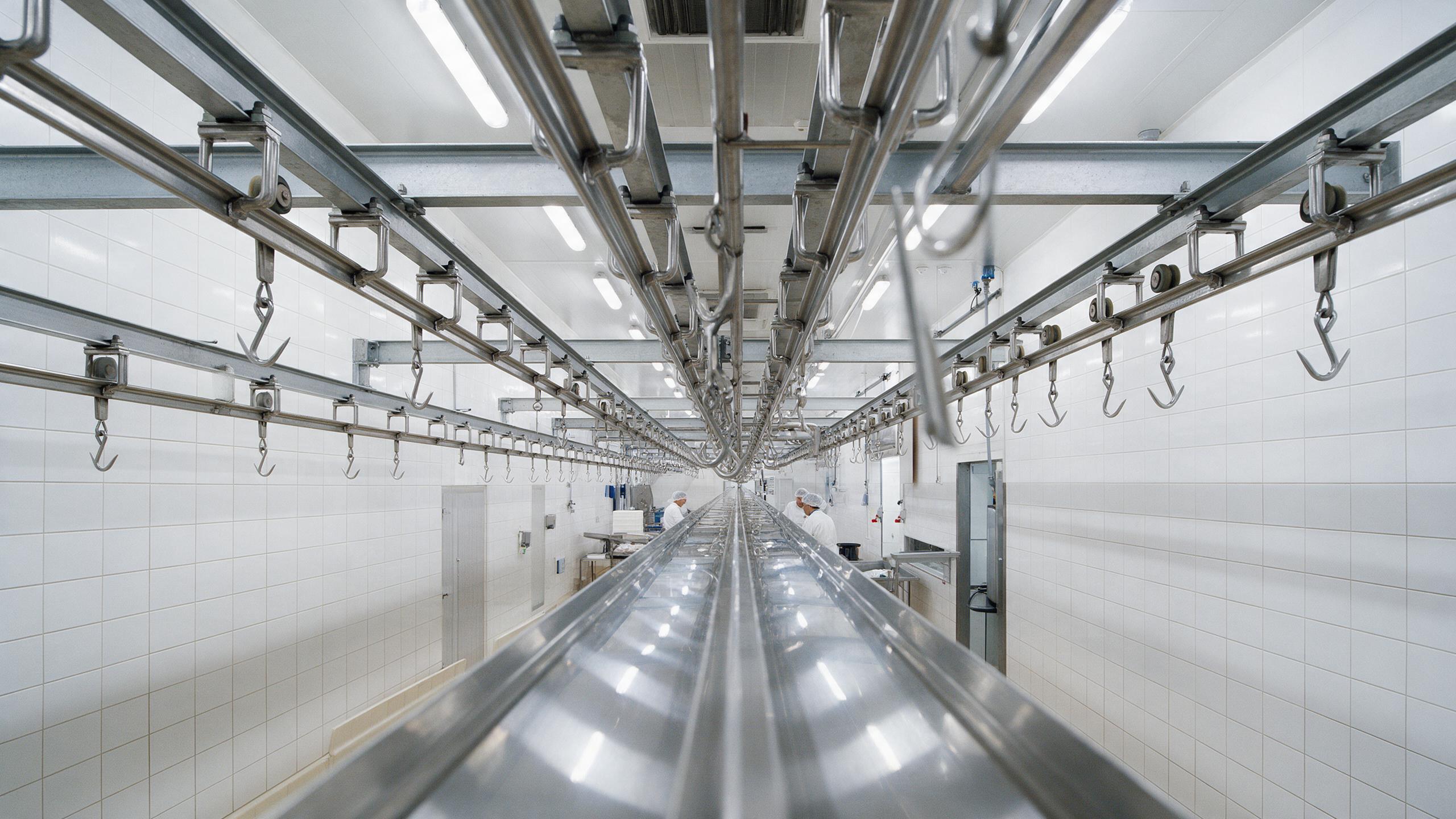
Why Philippine Projects Need a Localized Scope
An island market creates logistics issues that do not appear in a simple equipment quotation. Port choice, shipping schedule, container unloading, road access, ferry transfers and site lifting can all affect packaging and project timing. The equipment must also match the actual power supply and water conditions at the plant, which may differ from the supplier’s factory test environment.
The animal mix is another key variable. A pig line may require scalding, dehairing, singeing, polishing, evisceration and splitting. A cattle line needs different restraint, hide handling, rail height and dressing stations. If the plant processes both, the layout should provide controlled separation or dedicated areas rather than assuming one room can serve every species at the same time.
Plan the line around actual operating hours
Head per day is not enough. Confirm pig or cattle weight, number of hours, inspection time, available workers and chilling capacity before fixing the line rate.
Typical Equipment Scope
Receiving and lairage
Unloading, holding, inspection and controlled movement to stunning or restraint.
Slaughter and bleeding
Restraint, stunning or no-stun position, bleeding rail and blood collection.
Pig processing
Scalding, dehairing, singeing, polishing and carcass washing.
Red-meat dressing
Cattle hide handling, cattle and sheep rails, platforms and skinning stations.
Evisceration and inspection
Pans, tool control, inspection positions and condemned-material handling.
Splitting and chilling
Saws, rails, transfer systems and cold-room interfaces.
NMIS-Oriented Planning Questions
The project team should confirm the intended operating category and current inspection requirements before finalizing the layout. Relevant questions may include clean and dirty separation, lighting, drainage, washing facilities, inspection space, condemned-material handling, product identity and temperature control. The exact requirement depends on the facility and current rules.
A plant seeking a higher classification or accreditation should treat the upgrade as a system project. Equipment alone may not solve a building that lacks clean access, adequate drainage or controlled product flow. The design should show how animals, workers, product, offal and waste move through the facility.
Pig Line Capacity and Equipment
Pig capacity depends on weight range, scalding method, line automation and worker count. A semi-automatic line might use a scalder and dehairer with manual transfer, while a larger line can add conveyors, sync stations and automated controls. The chiller, waste and packaging areas must match the selected rate.
See the pig slaughter line overview for the main process. A Philippine proposal should also show how the line handles local power quality, tropical humidity, washdown and maintenance access.
Cattle and Sheep Equipment
Cattle lines require heavier restraint, a longer bleeding rail and more space for hides. Sheep and goat lines can be more compact but still need controlled restraint, skinning, inspection and chilling. If the operator processes multiple species, the project should define separate time blocks or equipment zones. See cattle line and sheep line.
Tropical Climate and Utility Checks
- Non-slip floors for wet handling areas
- Corrosion protection for humid conditions
- Moisture protection for motors and controls
- Reliable power and voltage protection
- Water pressure and quality assessment
- Drainage capacity for washdown
- Insect and pest exclusion
- Ice, steam or hot-water availability
- Chiller loading and unloading access
- Maintenance parts available on site
Island Logistics and Installation
Packaging should protect equipment through multiple handling points. The supplier and buyer should agree on container loading, port documents, inland transport, lifting plan and site storage. If the plant is on a smaller island, module dimensions and road limits may be more important than total shipping cost.
Installation planning should identify who supplies scaffolding, welding, electricity, water, compressed air, test animals and operators. The commissioning team needs access to the correct utilities and enough time to test the line under realistic conditions. A rushed start-up often creates maintenance and training problems later.
Upgrade or New Build?
| Project type | Benefit | Main constraint |
|---|---|---|
| Manual line improvement | Low initial cost and phased investment | Building and hygiene limits may remain |
| Semi-automatic replacement | Labor savings and more consistent output | Integration with existing utilities and rooms |
| New compact plant | Layout designed around process and inspection | Higher civil and permitting workload |
| Capacity expansion | Uses existing site and market position | Chilling, waste and lairage bottlenecks |
Preparing a Capacity Brief for Local Approval
A useful project brief should show the intended operating days, shift length and peak throughput, not only the annual target. It should also explain where animals come from, how they are held before slaughter, how carcasses are chilled and how products leave the site. If the plant expects seasonal demand or holiday peaks, the temporary flow should be identified. This helps the designer avoid a line that works on an average day but fails when the market is busiest.
The building plan should include clear dimensions, door widths, ceiling height, column positions, floor levels and drainage direction. It should show the location of water, power, steam and waste systems. If an architect or local contractor will prepare final construction drawings, the equipment supplier and the builder need to work from the same process flow. Document control is as important as the machine list because late changes to rail height or floor slopes can affect the entire line.
A pre-installation meeting with the operator, contractor and maintenance team can identify practical issues early. The team should agree on who supplies lifting equipment, temporary power, welding, water and test animals. They should also agree on how the plant will remain clean during construction and how the new equipment will be inspected before handover. These steps reduce delays and make the commissioning period more predictable.
Frequently Asked Questions
Does Zhengye provide NMIS accreditation?
No. Accreditation or classification is issued by the competent authority after its own review. Zhengye supplies equipment and technical documents.
Can you supply both pig and cattle equipment?
Yes. The best approach is to define product flow, separation and operating schedule for each species.
Can equipment be shipped to an island site?
Yes. Packaging and module sizes should be planned around the actual port, ferry and road route.
Can we upgrade in stages?
Yes. A staged plan should identify temporary operations and the final layout so the plant does not need to undo earlier work.
What information is needed for a quotation?
Species, weight range, required output, building plan, project location, utility conditions and target compliance.
Plan around the actual island logistics and animal mix
Send the species, capacity, site location and floor plan. We will prepare the equipment scope and the critical site requirements.