
Key points
- USDA ARS research used fecal egg counts, packed-cell volume and related health observations to study parasite resistance.
- Breed comparisons are conditional on study populations and exposure; no individual sheep is certified by appearance.
- Keep treatment, sampling, ancestry and health records together when planning selection or sale.
A breed name is not a health certificate. Parasite-resistance selection needs flock-level observations, veterinary interpretation and traceable records.
The evidence is measured, not visual
A USDA ARS study of Dorper sheep describes selection using lower fecal egg counts, FAMACHA scores and blood measures. An earlier ARS comparison observed relative differences among Dorper-cross, Katahdin, St. Croix and Hampshire ewes under its tested conditions. Neither study says a photograph can reveal infection status, or that every member of a named breed is parasite-proof.
Build a usable flock record
For a breeding or health review, record animal identity, parentage where known, sampling date, fecal egg result and unit, anaemia or packed-cell assessment, grazing exposure and any veterinary treatment. Compare animals only with an appropriate group and qualified interpretation; raw values vary with exposure and timing. A treatment decision belongs to the veterinarian, not an article or a marketing caption.
Keep farm data separate from processing claims
Better flock documentation can help a buyer or receiving team understand animal origin and health information, but it does not establish carcass quality, throughput or a slaughter-equipment result. For sheep facility planning, keep traceability and holding information in the intake brief and confirm regulatory documentation locally.
Evidence and limits
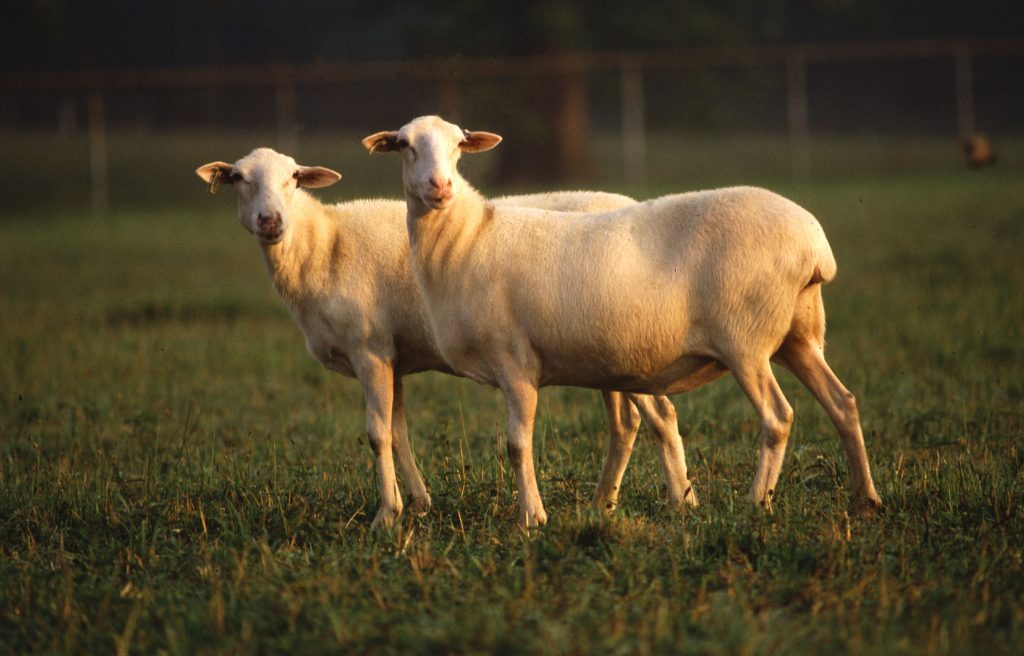
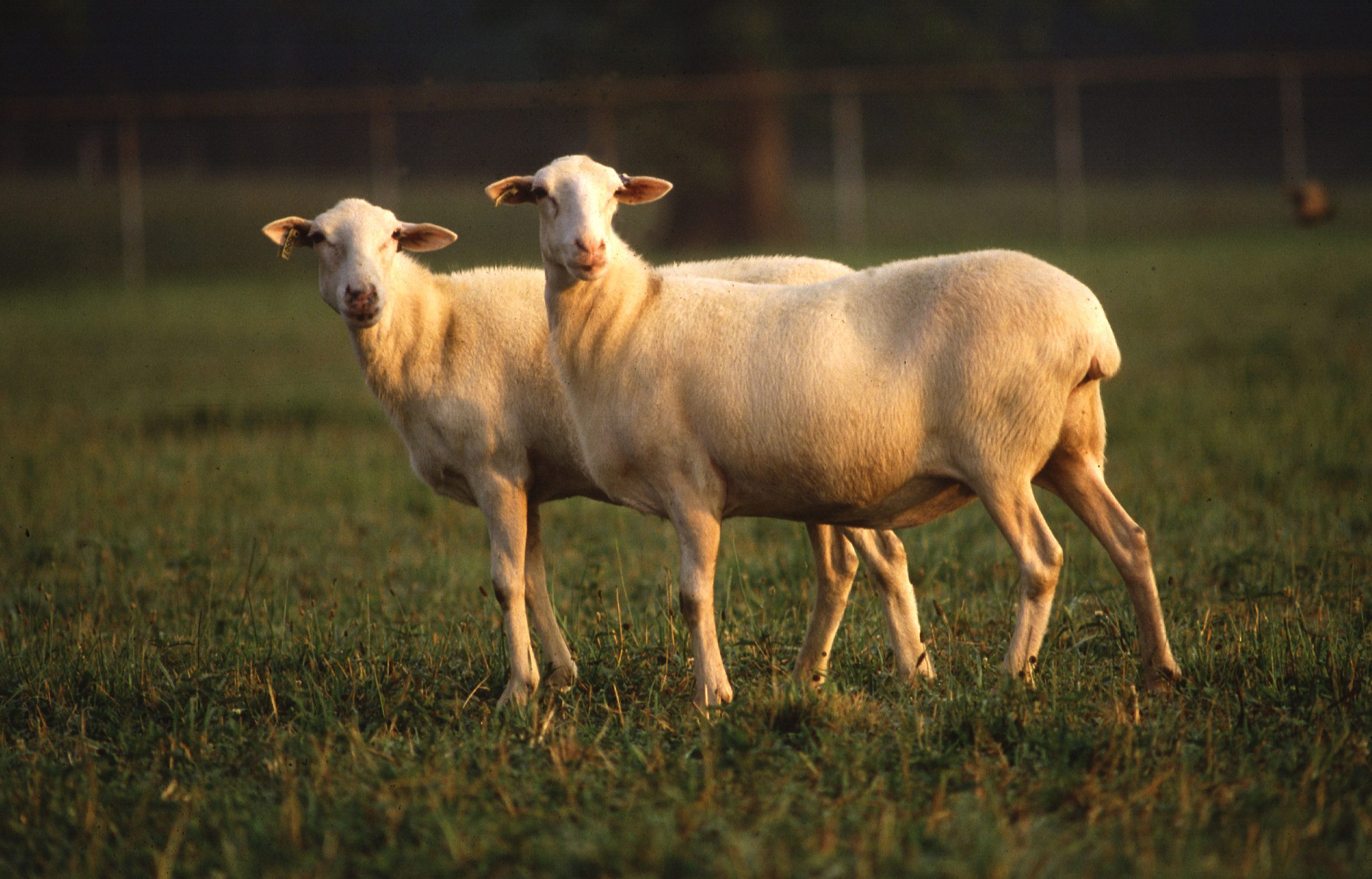
This independently written technical update was checked on 15 October 2026. The cited ARS studies are from 2002 and 2017; their dates and populations matter. The public-domain ARS photograph is an illustration of St. Croix sheep, not a new 2026 trial or a Zhengye customer.
Practical question
Does a parasite-resistant breed name mean an individual sheep needs no monitoring?
No. Use measured health records and veterinary advice; resistance varies and does not equal immunity.
Related equipment and planning resources
Sources and further reading
Sources checked: