
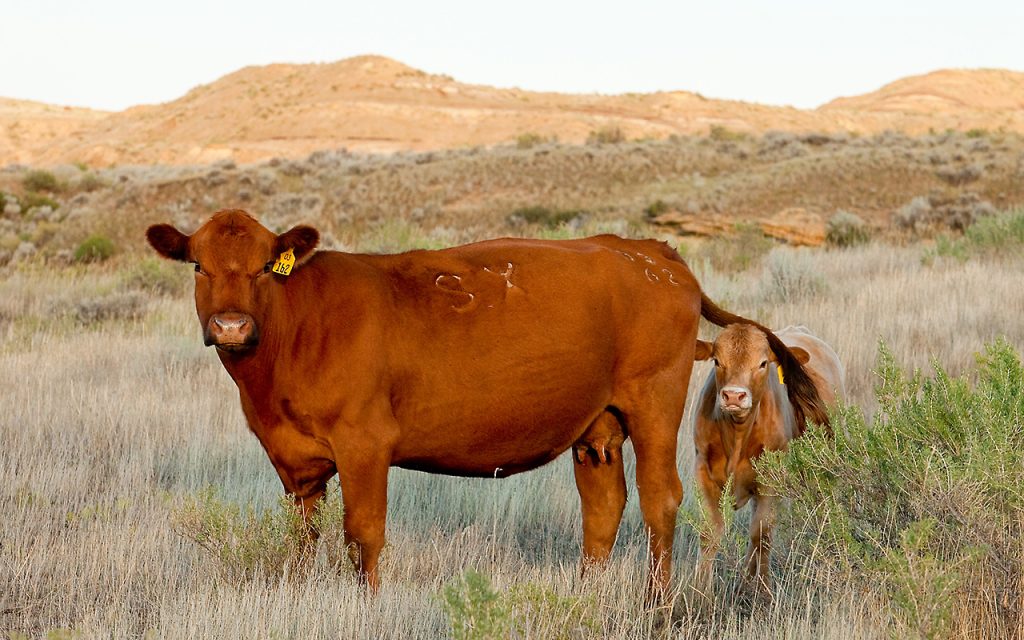
Models using 10 million rumen reads per sample performed close to those using 20 million in a 717-cattle dataset.
Three sequence depths tested
USDA Agricultural Research Service and university researchers used host-genome and rumen-microbe data from 717 beef cattle. They compared models based on about 2 million, 10 million and 20 million sequence reads per sample for predicting daily dry-matter intake and average daily gain. The manuscript was accepted on 23 July 2026; the ARS record has no journal publication date.
Prediction accuracy at lower depth
The 2-million-read models generally predicted both traits less accurately than deeper sequencing. Models using 10 million reads were close to the 20-million-read models for several comparisons, particularly when host-genome data were included. The ARS abstract reports a smaller advantage for 20 million reads in some average-daily-gain models.