
A US trial with 60 cows reported about 97% containment during virtual-fence training. The two cattle groups differed in their response to collar cues.
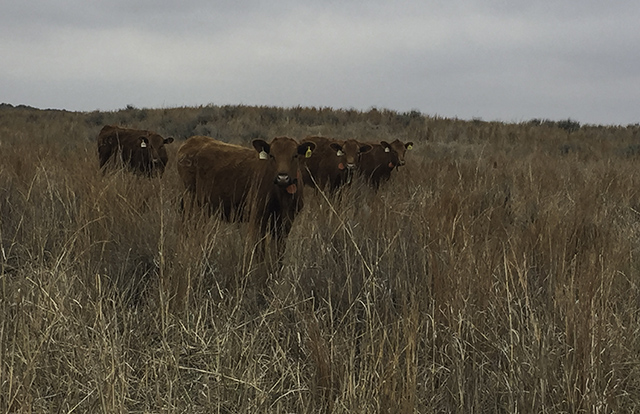
Sixty cows tested over six periods
The US Department of Agriculture's Agricultural Research Service compared 30 Angus-Hereford cows with 30 Rarámuri Criollo cows in a controlled feeding-pen trial. Each animal wore a virtual-fencing collar. Access to feed stations changed across six three-day periods, while the collars gave sound warnings followed by mild electrical reinforcement at the virtual boundary. The research record was published in February 2026.
Containment and collar cues
Overall containment was about 97% in the test. Both groups learned the changing boundary. During early training, Angus-Hereford cows moved more, approached the boundary more often and received more warning cues and electrical reinforcement than Rarámuri Criollo cows. The published results describe the behavior of these two groups under the study's pen conditions.