
Once-daily sprinkling delayed some ammonia peaks at beef feedyards but did not significantly reduce overall emissions in a 2026 field study.
Measurements at feedyards
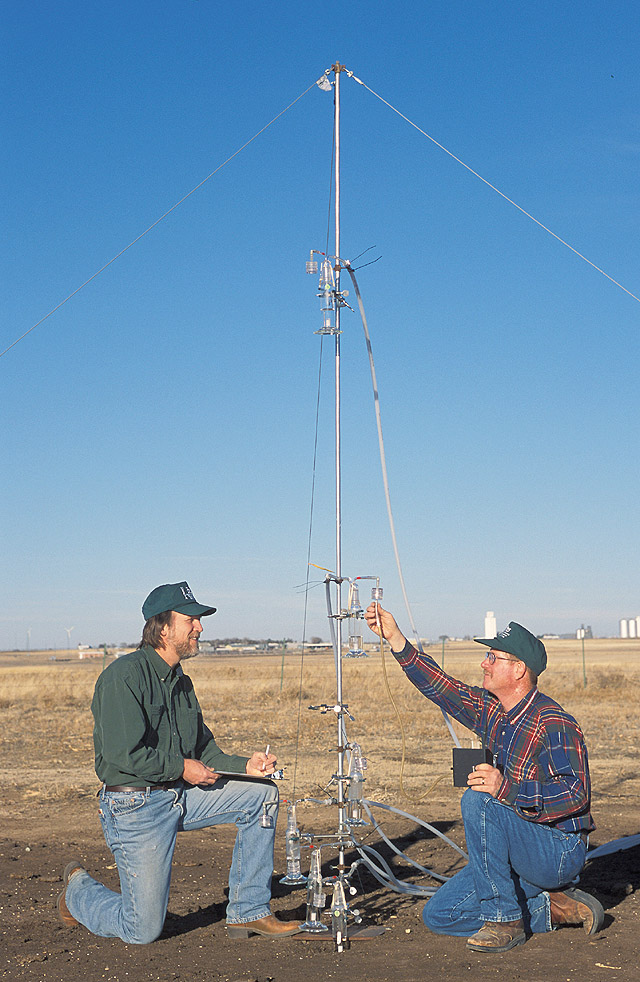
USDA Agricultural Research Service and Texas A&M researchers measured ammonia at research and commercial beef feedyards using open-path lasers and dispersion modelling. Their paper, published on 18 August 2026, found that existing once-daily watering delayed some emission peaks but did not significantly reduce total ammonia emissions (p > 0.15).
Rainfall effects
In the analysis, precipitation coincided with an average temporary ammonia reduction of about 30 percent. Later increases sometimes offset the initial decline. Rainfall spread water across the feedyard differently from a sprinkler pass, so the two observations describe different conditions.