
Key points
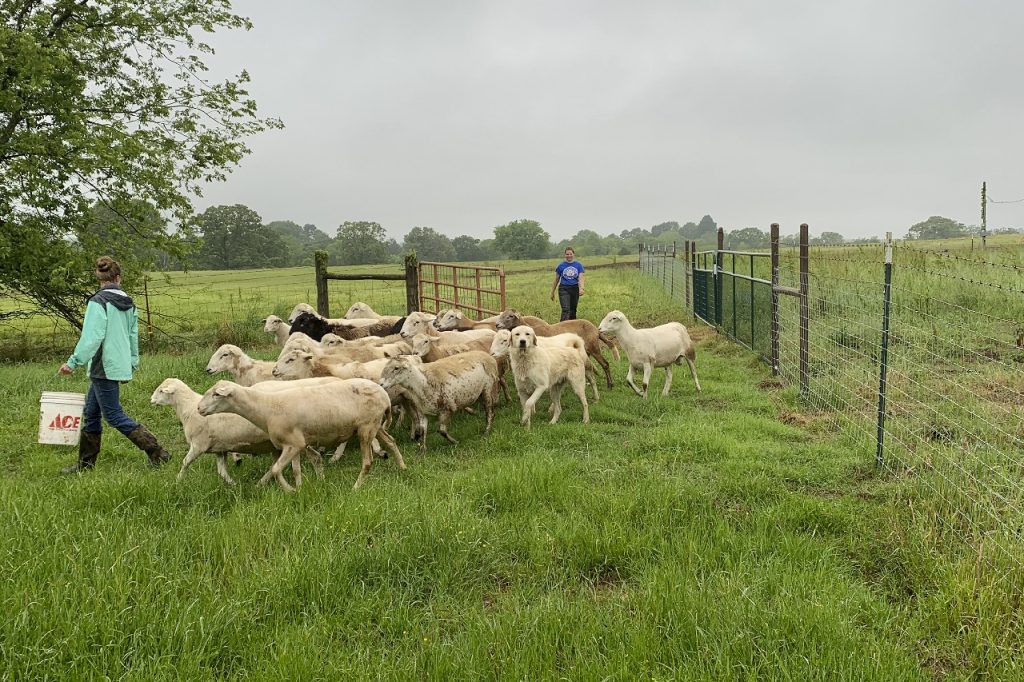
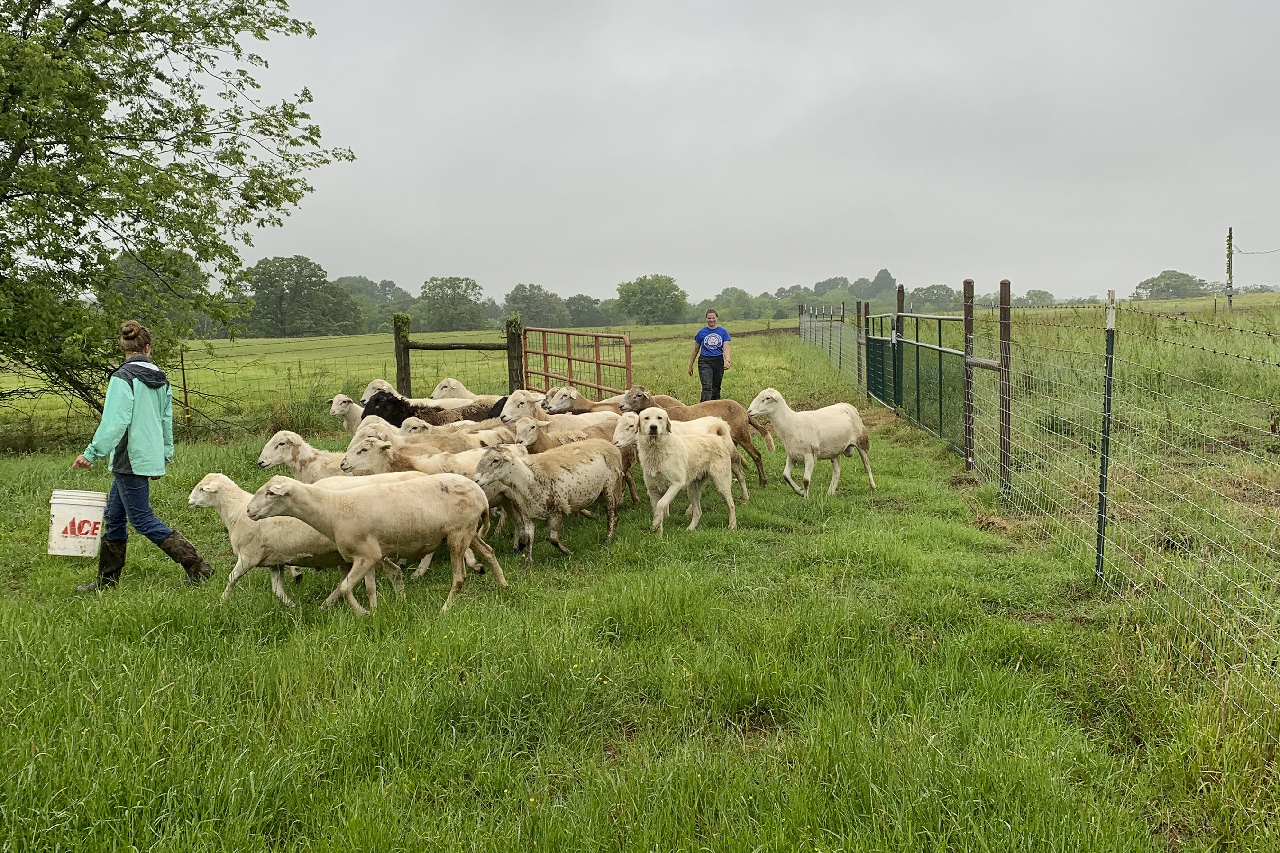
- WOAH recommends moving animals in small groups and reducing distractions that cause stopping or turning back.
- Slips, falls, pile-ups and reluctance to move are observable signals for review.
- WOAH states that electric goads should not be used on sheep or goats.
When sheep hesitate in a raceway, inspect the path and handling practice before pushing harder. Small groups and visible footing are practical design checks.
Begin with observed behaviour
WOAH Chapter 7.5 lists slipping, falling, piling up, turning back and reluctance to move among animal-based measures for handling. Those observations help distinguish a narrow or distracting route from a staff issue. The source is the 2024 slaughter chapter, checked on 14 October 2026; this is not a report of a new incident.
Draw the route from the sheep’s view
Review floor grip, lighting, shadows, abrupt surface changes, gates and moving objects at sheep eye level. WOAH recommends facilities that support natural movement and minimize distractions, while staff remain calm and patient. A drawing should also show safe staff access and where a group can pause without blocking another group.
Use group movement rather than force
WOAH recommends moving animals in small groups so they can follow one another. It says electric goads should not be used on sheep and goats. If animals repeatedly stop, check for obstruction or another cause instead of repeating pressure. The operator should determine group size and staffing for the actual animals and facility.
Build a corrective-action loop
Record the location and time of slips, falls or turn-backs, then note floor, lighting, gate position and handling changes. Re-observe after a change rather than declaring success from a drawing alone. Plan the sheep line and holding area together, but verify all local welfare requirements with the competent authority.
Practical question
Should a stalled sheep group be moved with an electric goad?
No. WOAH says electric goads should not be used on sheep; inspect the route and handling conditions and use calm, suitable aids.
Related equipment and planning resources
Sources and further reading
Sources checked: