Malaysia Slaughterhouse Equipment | JAKIM-Aware Projects
JAKIM-Oriented Slaughterhouse Equipment in Malaysia
Malaysian halal projects require equipment that supports controlled slaughter, hygienic dressing, dedicated utensils, product separation, cleaning and traceability. The physical line must match the management system and the current JAKIM-related review criteria.
Zhengye supplies cattle, sheep and goat slaughter equipment for new plants and upgrades. The project scope can include restraint, bleeding, dressing, evisceration, inspection, rails, controls and documentation.
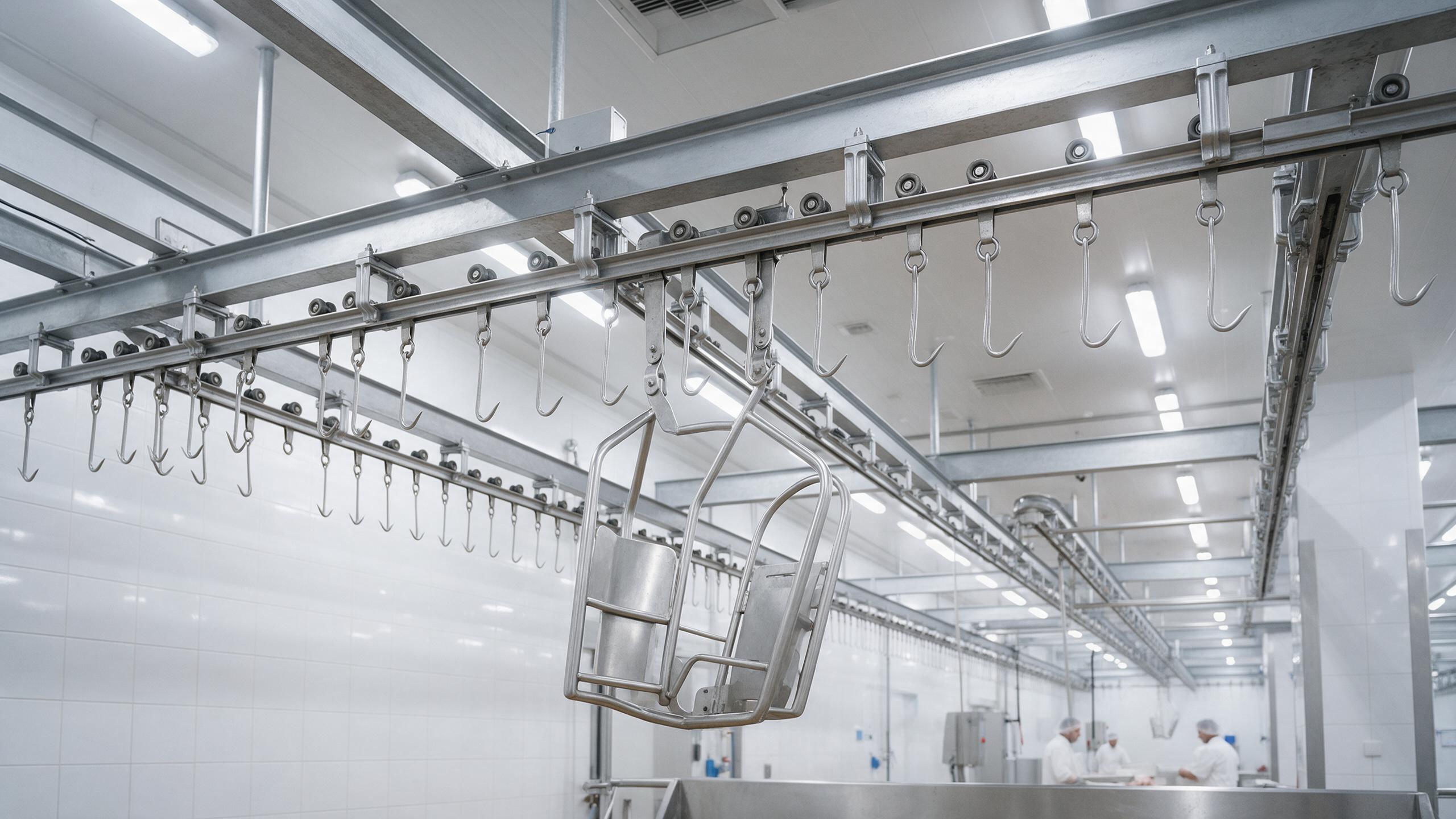
Equipment Requirements Are Part of a Larger System
A Malaysian halal project is judged on the complete operation. The facility must show that slaughter, hygiene, personnel, product identity, cleaning and records are under control. Equipment can make that easier or harder. A cleanable line with clear separation and practical tool-control points supports the management system. A crowded layout that forces workers or waste across clean product creates avoidable risk.
For that reason, the equipment selection should follow the process review. The project team should define the species, capacity, slaughter method, clean and dirty zones, product route and certification scope before finalizing the layout. See the JAKIM Malaysia certification page and the halal equipment overview.
Design for repeatable control
The correct procedure should be the normal procedure on every shift. Equipment should make authorized access, bleeding, tool hygiene and product identity practical at production speed.
Cattle, Sheep and Goat Equipment
Restraint
Head restraint, rotary box, cradle or V-restraint sized to the species and approved slaughter method.
Bleeding
Rail length, hooks and discharge arranged to provide the required interval without interruption.
Dressing
Platforms, hide or skin equipment, head and hoof stations, evisceration pans and transfer rails.
Dedicated utensils
Knife sterilizers, spare-knife storage and wash points placed at decision locations.
Inspection
Visible product identification and controlled handling of held, rejected or condemned material.
Cleaning
Cleanable stainless surfaces, drainage, removable guards and access for sanitation.
Clean and Dirty Zone Separation
Hide or skin handling, head and hoof processing, digestive-content handling and waste removal should not cross exposed edible product. Personnel should move through controlled transitions rather than walking freely from dirty work to a clean carcass station. Drainage and airflow should support the same separation.
A smaller plant may have limited space, but the process can still be arranged so that the risk is visible and controlled. Temporary barriers and verbal rules are not as strong as a layout where dirty material naturally leaves the clean zone. The design should be reviewed together with the plant’s cleaning and personnel procedures.
Knives, Hooks and Tool Control
- Sterilizer at the slaughter position
- Clean spare knives available
- Defined knife replacement rule
- Color or number identification for tools
- Separate tools for dirty and clean tasks
- Wash points for hands and aprons
- Clean storage after sanitation
- Inspection of hooks and trays
- Maintenance tools controlled in hygienic areas
- Records for cleaning and replacement
Stunning and Slaughter Method
Confirm the current accepted method before selecting equipment. If stunning is allowed, the plant needs suitable controls and records. If no stunning is used, the restraint and slaughter position must support the approved procedure. The halal stunning equipment page covers the design questions.
Traceability Through the Line
Product identity should be maintained from receiving to dispatch. Carcass tags, hooks, trays or electronic records should remain readable through bleeding, dressing, inspection, splitting, weighing and chilling. Offal and byproducts need their own control if they are included in the certified scope.
The physical line should show where product can be held or rejected. If approved and non-approved material can mix, the plant will struggle to demonstrate traceability even with a good record system.
Equipment Documents for Malaysian Projects
| Document | What it should show | Project use |
|---|---|---|
| Process flow | Animal, carcass, offal and waste routes | Supports hygiene and segregation review |
| General arrangement | Equipment, workstations, access and cleaning points | Aligns building and certification scope |
| Equipment list | Materials, capacity and components | Procurement and technical review |
| Utility schedule | Power, water, steam, air and drainage | Confirms site readiness |
| Cleaning and maintenance | Daily, shift and periodic tasks | Supports the sanitation system |
| Operation and training | Controls, procedures and maintenance | Supports commissioning and audits |
Upgrading an Existing Malaysian Plant
An upgrade should start with a gap analysis. Identify where the current line fails to support hygiene, tool control, separation, throughput or traceability. The replacement sequence should preserve the plant’s ability to operate during construction and avoid creating a temporary process with uncontrolled cross-contact.
How to Prepare a Malaysian Equipment Brief
Begin with the legal applicant, site, animal species, product scope and certification target. Then define the slaughter method, expected capacity and operating pattern. The brief should state whether the plant is new, an upgrade or a staged expansion. If the current process has a problem, describe where it occurs and what evidence demonstrates the issue. Clear inputs allow the supplier and certification adviser to review the same project.
The building plan should identify clean and dirty zones, personnel routes, product movement, waste removal, drainage and utility connections. It should also show where tools, knives and cleaning equipment are stored. If the current building cannot separate these functions, the project may need a layout change rather than a larger equipment list. The pre-review should identify that before order placement.
Finally, define the documents the plant must maintain after handover. Equipment manuals and drawings are only the starting point. The plant still needs cleaning schedules, training records, product traceability, maintenance logs, corrective actions and internal verification. A well-designed line reduces risk, but the management system must be used every day to keep the process under control.
Frequently Asked Questions
Does Zhengye provide JAKIM certification?
No. The authorized Malaysian framework issues the approval. Zhengye provides equipment and technical documents that support the project.
Can you upgrade only the slaughter and bleeding area?
Yes. The restraint, access, rail and tool-control points can be replaced first if the existing building and process support the change.
Can one line process cattle and goats?
It may be possible with separate stations or changeover, but the building, rail height, cleaning and certification scope should be reviewed.
What is the biggest layout risk?
Cross-contact between hides, skin, offal, waste, personnel and exposed edible product.
What should be included in the inquiry?
Species, capacity, certification target, building plan, utility conditions and current bottleneck.
Align equipment with the current Malaysian halal review
Send the species, capacity, building plan and certification contact. We will map the equipment and documentation requirements.