Vietnam Slaughterhouse Equipment | Pig and Red Meat
Pig, Cattle and Sheep Slaughter Equipment in Vietnam
Vietnam is primarily a pig market, but many buyers also require cattle or a separate red-meat capability. The strongest projects start with the animal mix, live weight range, required throughput and the actual building rather than a generic equipment list.
Zhengye supplies pig lines, cattle and sheep equipment, controls and documentation with export packing and commissioning support. The scope can be a new line, an upgrade or a staged expansion.
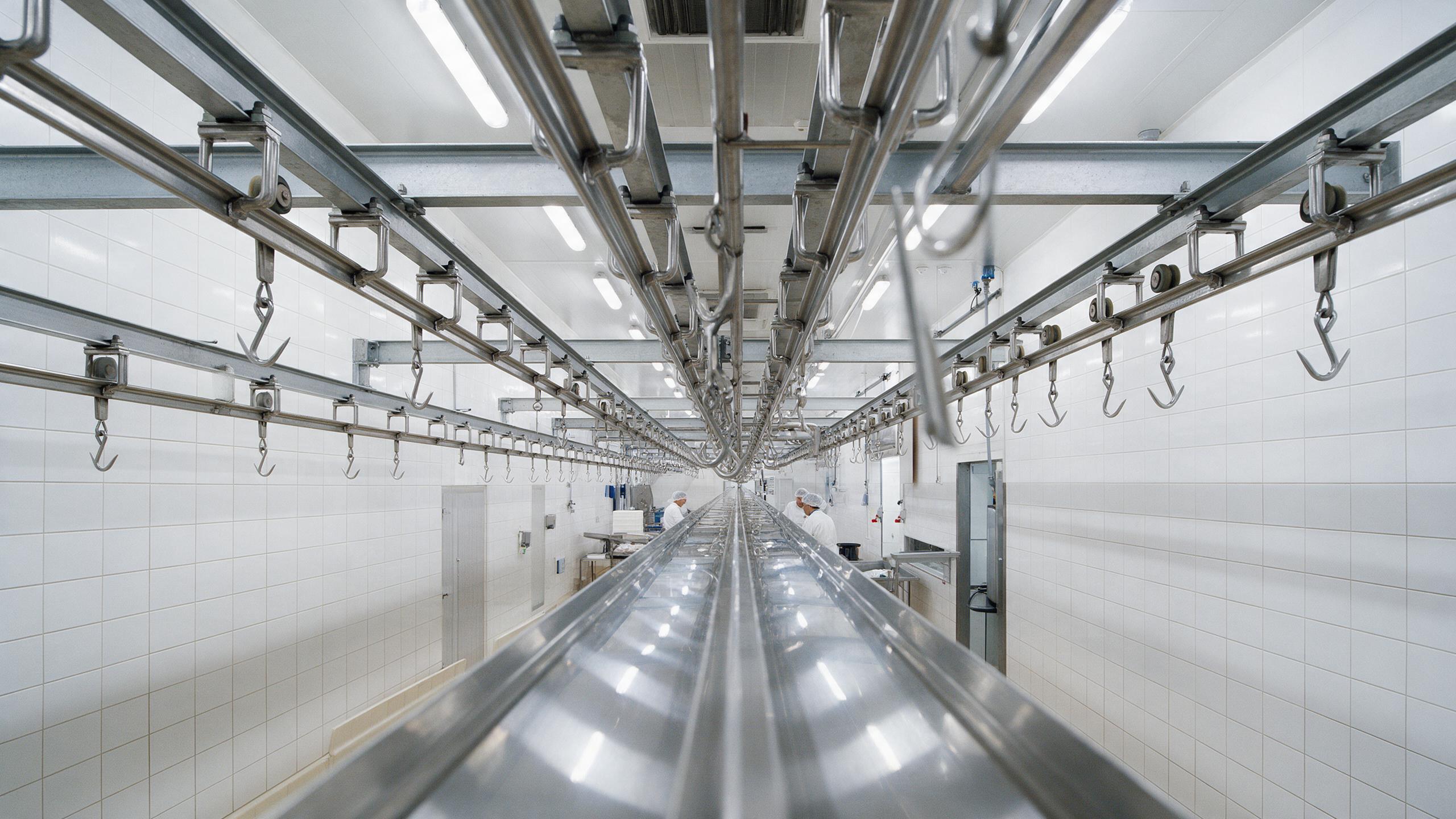
What Vietnam Buyers Typically Need
Pig projects often focus on labor reduction, more consistent scalding and dehairing, hygienic evisceration, faster splitting and better control of product flow. Buyers may be replacing manual operations, adding capacity or bringing an older facility up to a higher hygiene standard. Cattle and sheep projects have different restraint, bleeding, hide or skin handling and rail requirements.
The project should define whether the priority is lowest capital cost, maximum automation, labor reduction, product quality, compliance or future expansion. A line optimized for one goal may not serve another. The equipment list and building layout should reflect the actual business plan.
Start with live weight and production hours
Pig line output depends heavily on weight range, scalding method, worker count, inspection and the shift pattern. The average rate must be based on the slowest necessary station, not on the fastest machine in the quotation.
Pig Slaughter Line Equipment
Receiving and stunning
Lairage, inspection, race and stunning equipment matched to pig size and plant policy.
Bleeding
Rail, hooks and blood collection arranged for controlled bleeding and safe movement.
Scalding and dehairing
Scalder, dehairer, singeing and polishing selected for the weight range and desired finish.
Evisceration
Platforms, pans and tool control that keep digestive contents away from edible product.
Splitting and inspection
Saw, rail and inspection positions with product identification and condemned-material control.
Chilling
Transfer and rail systems interfacing with the cold room and dispatch plan.
Scalding, Dehairing and Pig Weight Range
Scalding temperature, time and dehairing equipment should be selected for the actual live weight range. A line that works for one pig size may damage the skin or leave hair on another. The buyer should provide the normal weight distribution, not only the average. If the plant receives a wide range, adjustable process settings and an alternative manual station may be needed.
The pig slaughter line overview describes the main process sequence and equipment interfaces. A layout review should check the scalder position, water and steam supply, drainage, operator access and transfer to the dehairer.
Cattle and Sheep Expansion
A plant may start with pigs and later add cattle or sheep. If expansion is realistic, the building and utilities should reserve space for a separate rail, restraint, hide or skin handling and inspection. Trying to share a pig scalding room with cattle dressing is usually not practical. See the cattle line and sheep line pages.
Hygiene and Evisceration Layout
- Separate live animal and finished product movement
- Control blood, hair, water and floor splash
- Keep digestive contents away from edible product
- Provide knife and hand-wash points
- Identify condemned and held carcasses
- Maintain product identity through splitting and chilling
- Drain washdown water away from clean zones
- Protect motors and controls from water
- Provide maintenance access without crossing hygiene boundaries
- Match chiller capacity to line output
Utility and Wastewater Considerations
Slaughter lines use water for washing, scalding, cleaning and sanitation. Wastewater contains organic material and requires proper drainage and treatment. The building design should prevent standing water and separate clean and dirty drainage where required. Power quality can also affect motors, control panels and chilling equipment, so the electrical design should be based on the actual site supply.
Compressed air, steam and hot water may be needed at different stations. The utility schedule should identify pressure, temperature, flow and connection points. If these systems are undersized, the line cannot reach its nominal capacity even if the machines are correct.
New Line or Existing Building Upgrade?
| Option | Best for | Critical checks |
|---|---|---|
| New compact line | New facility with a defined product and capacity | Layout, utilities, waste, chilling and certification |
| Manual-to-semi-auto upgrade | Existing plant with labor or hygiene bottlenecks | Building height, drainage, rail position and changeover plan |
| High-capacity line | Industrial production or multi-shift operation | Automation, maintenance, spare parts and cold-chain matching |
| Staged expansion | Buyer needs to keep operating during construction | Temporary flow, safety, hygiene separation and utility capacity |
Equipment Selection by Automation Level
A basic line may use more manual handling with reliable standard equipment. A semi-automatic line adds conveyors, powered stations and better synchronization. A higher-capacity line may use automatic transfer, more monitoring and specialized stations. Higher automation is worthwhile when the plant has stable raw material, trained maintenance staff and enough utilization. It is not automatically better for a small or variable operation.
Delivery, Installation and Training
The project plan should identify the import port, inland transport, unloading equipment, site storage and installation sequence. Factory testing and documentation should be completed before shipment. On site, the buyer should prepare floors, drainage, power, water, steam and lifting access. Commissioning should include no-load and production tests, operator training and a handover checklist.
Frequently Asked Questions
What pig capacity can you supply?
Line capacity depends on pig weight, process automation, staffing and shift length. Provide the expected heads per shift and weight range for a measured proposal.
Can you upgrade only part of an existing line?
Yes. Staged upgrades can replace scalding, dehairing, evisceration or splitting while keeping other stations. The interfaces and construction sequence must be planned.
Do you supply cattle and sheep equipment in Vietnam?
Yes. Cattle and sheep lines can be configured separately or as part of a staged master plan.
What documentation is included?
Typical documents include layout, process flow, equipment list, utility schedule, operation and maintenance instructions and test records. The final package depends on the project scope.
Can the line be expanded later?
Yes, if space, utilities, drainage, rail height and chilling are planned with a future stage in mind.
Send the pig weight range and target capacity
Include the building plan, product route, utility conditions and automation target. We will return a practical line scope and the critical site checks.