Malaysia Halal Requirements | Abattoir and Equipment
JAKIM Halal Requirements for Malaysian Abattoirs
Malaysian halal projects require more than a hygienic equipment list. The facility, process, personnel, utensils, cleaning, segregation, product identity and records must work as one controlled system. Equipment design should make those controls practical and visible during an audit.
Zhengye supports cattle, sheep and goat slaughter line projects with restraint, bleeding, dressing, evisceration, inspection and documentation. Final halal approval remains with JAKIM and the applicable authorized review process.
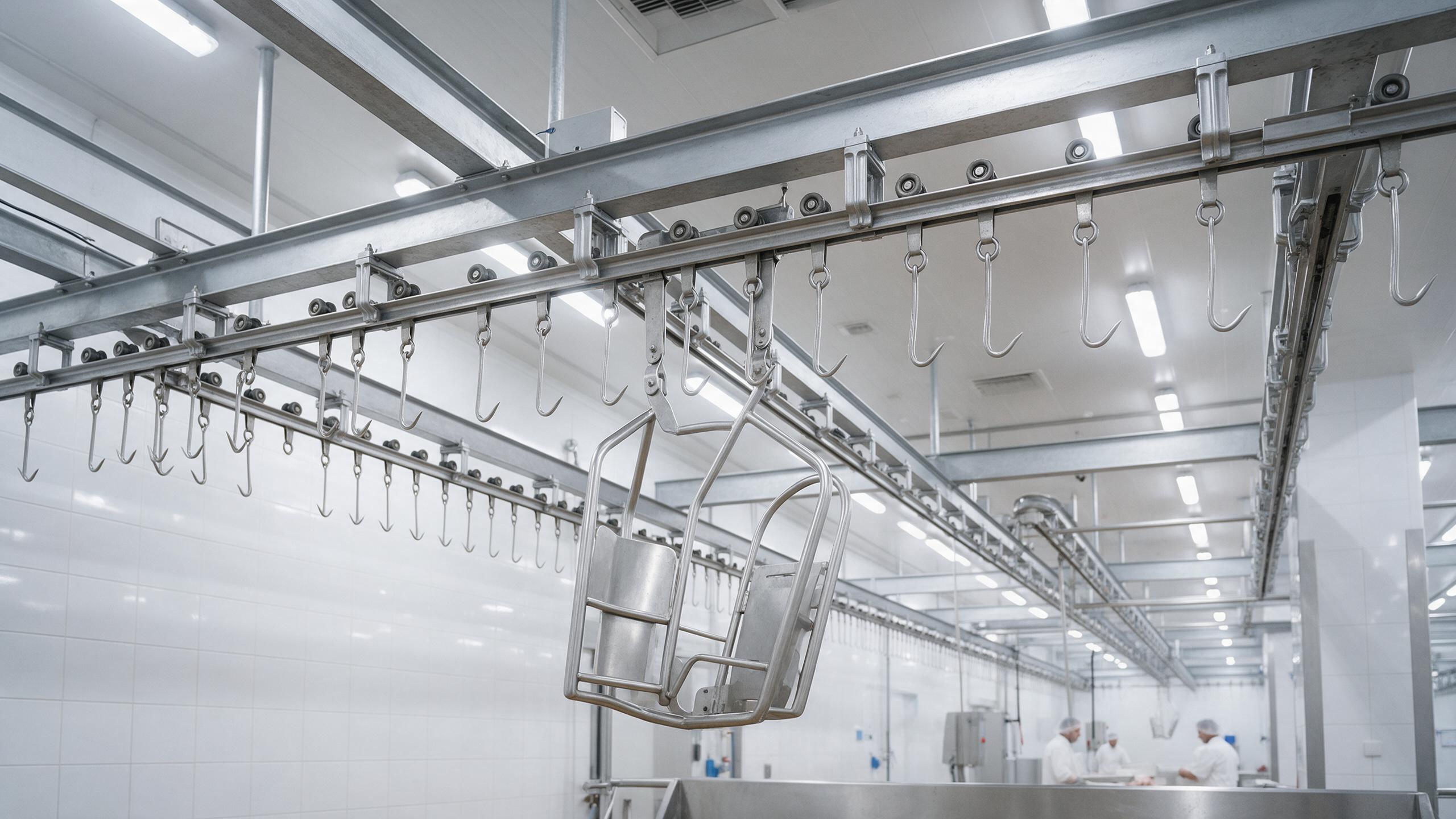
What a JAKIM-Oriented Project Must Control
JAKIM-oriented halal assurance is based on a complete management and production system. The reviewer may examine the legal entity, premises, equipment, animal source, slaughter procedure, personnel, sanitation, packaging, storage, distribution and traceability. A supplier’s equipment certificate may support the review, but it does not replace the facility audit.
The most useful project preparation is a controlled technical file that matches the actual plant. Drawings should show clean and dirty zones, slaughter access, bleeding, hide or skin routes, offal handling, product identity, cleaning stations and waste movement. Procedures should then match the drawings. If the written system describes a different line, the plant will struggle during audit and daily operation.
Equipment and management must agree
A stainless line cannot compensate for uncontrolled knives, unapproved personnel, poor traceability or records that do not match the process. The plant and its verification team are responsible for the management system.
Equipment and Layout Requirements
Controlled animal flow
Lairage, ante-mortem inspection and restraint arranged to prevent unnecessary stress and uncontrolled access.
Slaughter position
Safe, stable and quiet access for the authorized slaughter staff using the approved method.
Bleeding rail
Uninterrupted interval and controlled discharge before dressing begins.
Dedicated utensils
Knives, hooks and tools kept clean, controlled and separate from incompatible operations.
Clean and dirty separation
Hides, skins, offal, waste and personnel routed away from exposed edible product.
Traceability
Product identity maintained through inspection, splitting, weighing, chilling and storage.
Clean and Dirty Zone Planning
Malaysian halal facilities are often judged by how clearly the process is separated. Dirty operations include hide or skin handling, hoof and head processing, digestive-content handling and waste movement. Clean operations include final carcass inspection, splitting, weighing and movement into chilling. Shared rooms may be acceptable in some designs, but the physical path and cleaning controls should prevent cross-contact.
Workers should not move freely from a dirty area to an exposed carcass without a controlled transition. Equipment should provide practical hand-wash, apron and knife-cleaning points. Floors should drain away from clean operations, and the roof or overhead structure should not allow condensation to drip onto product.
Dedicated Utensils and Tool Control
Knives and food-contact tools should have a designated storage, sterilization and replacement routine. At the slaughter position, the operator needs a practical sterilizer and clean spare knives. During dressing, hooks, trays and cutting equipment should be assigned to the correct zone and cleaned after use. Tools that contact hides, offal or waste should not be returned to clean carcass work without an approved cleaning step.
Color-coding, engraved identification, numbered tools or controlled storage can help the plant verify separation. The exact system should fit the building and management process. It should also be simple enough for workers to follow during a busy shift.
Animal Handling and Slaughter Personnel
The plant should define who may handle animals, who may perform slaughter and who supervises the process. Training records, appointment records and shift documents should match the actual operating structure. The slaughter position should be designed so only authorized personnel have access and the procedure can be performed without obstruction.
Animal handling also affects hygiene and quality. Non-slip floors, controlled lighting, a forward-moving race and a stable restraint system reduce stress and improve worker safety. Where direction or orientation is required, the equipment layout should support it consistently rather than depending on an improvised position.
Stunning Policy
Confirm the current accepted method and operating conditions before selecting stunning equipment. If stunning is used, the plant must control the approved parameters, recovery or verification and records. If it is not used, restraint and slaughter access still need to be designed for the approved procedure. The halal stunning equipment page covers the technical questions.
Cleaning, Sanitation and Maintenance
- Cleaning schedule by equipment zone
- Food-contact surface inspection
- Knife and utensil sterilization records
- Hand-wash and apron-cleaning points
- Drainage and floor cleaning
- Pest and condensation control
- Maintenance without hygiene boundary crossing
- Lubricant and chemical control
- Corrective action for contamination events
- Equipment calibration where required
- Waste removal and container cleaning
- Documented training for cleaning staff
Traceability and Product Release
The line should prevent approved, held and rejected product from being mixed. Identification should remain visible from receiving through slaughter, inspection, chilling and dispatch. If offal or byproducts are included in the certified scope, they need their own identification and handling control. Packaging, labeling and storage should also preserve the required identity.
Records should show who made release decisions and what evidence was used. If something goes wrong, the plant should be able to trace the affected lot and take corrective action. This is a management responsibility, but the physical layout should make it practical to identify and separate product.
Technical Documents for the Supplier Scope
| Supplier document | What it should show | Use in the project |
|---|---|---|
| Process flow | Animal, carcass, offal and waste routes | Supports hygiene and segregation review |
| Layout drawing | Equipment positions, workstations and access | Confirms slaughter, bleeding and cleaning control points |
| Equipment list | Materials, capacity and main components | Supports procurement and technical review |
| Utility schedule | Power, water, steam, air and drain requirements | Matches building services to the line |
| Cleaning instructions | Daily, shift and periodic tasks | Helps the plant build its sanitation procedure |
| Operating manual | Controls, safety, maintenance and troubleshooting | Supports training and commissioning |
Preparing for a Malaysia Audit
Start with the scheme and product scope, then map every required control to a location, person, instruction and record. The plant should test its system before the formal audit. Walk the flow with operations, maintenance, cleaning and quality staff. Check whether the line still functions correctly during a busy shift or peak demand, not only during a quiet demonstration.
Document control is equally important. Confirm that the architect, equipment supplier, certification consultant and internal team are working from the same revision. If the layout, process method or equipment changes, update the affected documents and assess whether the authority needs to be informed.
Common Gaps in Malaysian Projects
Shared tools without control
Knives or hooks move between dirty and clean tasks without a defined cleaning or replacement step.
Unclear personnel movement
Workers can enter clean areas from dirty operations without a controlled transition.
Weak product identity
Carcass, offal or rejected material loses its identity during transfer.
Generic cleaning plan
The schedule does not reflect the real equipment, soil load or shift pattern.
No maintenance control
Repairs or lubricants can introduce contamination or interrupt the hygiene system.
Records not used daily
Forms are completed only for an audit and do not support normal operations.
Frequently Asked Questions
Does Zhengye issue a JAKIM certificate?
No. JAKIM and the applicable authorized framework approve the facility and system. Zhengye provides equipment and technical documents that support the review.
What is the most important layout issue?
Preventing cross-contact between dirty operations and exposed edible product. This includes animals, personnel, hides, offal, waste, tools and drainage.
Can a new line use an existing Malaysian building?
Yes, if the building can support the required separation, drainage, ceiling height, utilities and cleaning access. A detailed site survey is needed before design approval.
Should we discuss certification before ordering equipment?
Yes. The physical line should match the approved process and audit scope. Changes after fabrication may require redesign, resubmission or costly site work.
Do you supply operating manuals and drawings?
Yes. The documentation package and language should be agreed in the contract. The plant may still need to prepare its own management-system records and procedures.
Align the abattoir layout with the actual audit scope
Send the species, capacity, building plan and certification contact. We will review the equipment positions, separation and documentation required for the project.