Kazakhstan Slaughterhouse Equipment | Cattle, Sheep and Cold Climate
Cattle and Sheep Slaughter Equipment for Kazakhstan Projects
Kazakhstan projects often need to combine cattle and sheep processing, halal requirements, cold-climate utilities and long-distance delivery. The line must be designed for the actual animal weight, capacity, building and winter conditions rather than a generic layout.
Zhengye supplies restraint, bleeding, dressing, evisceration, splitting, inspection and rail equipment, with documentation and project support for export delivery.
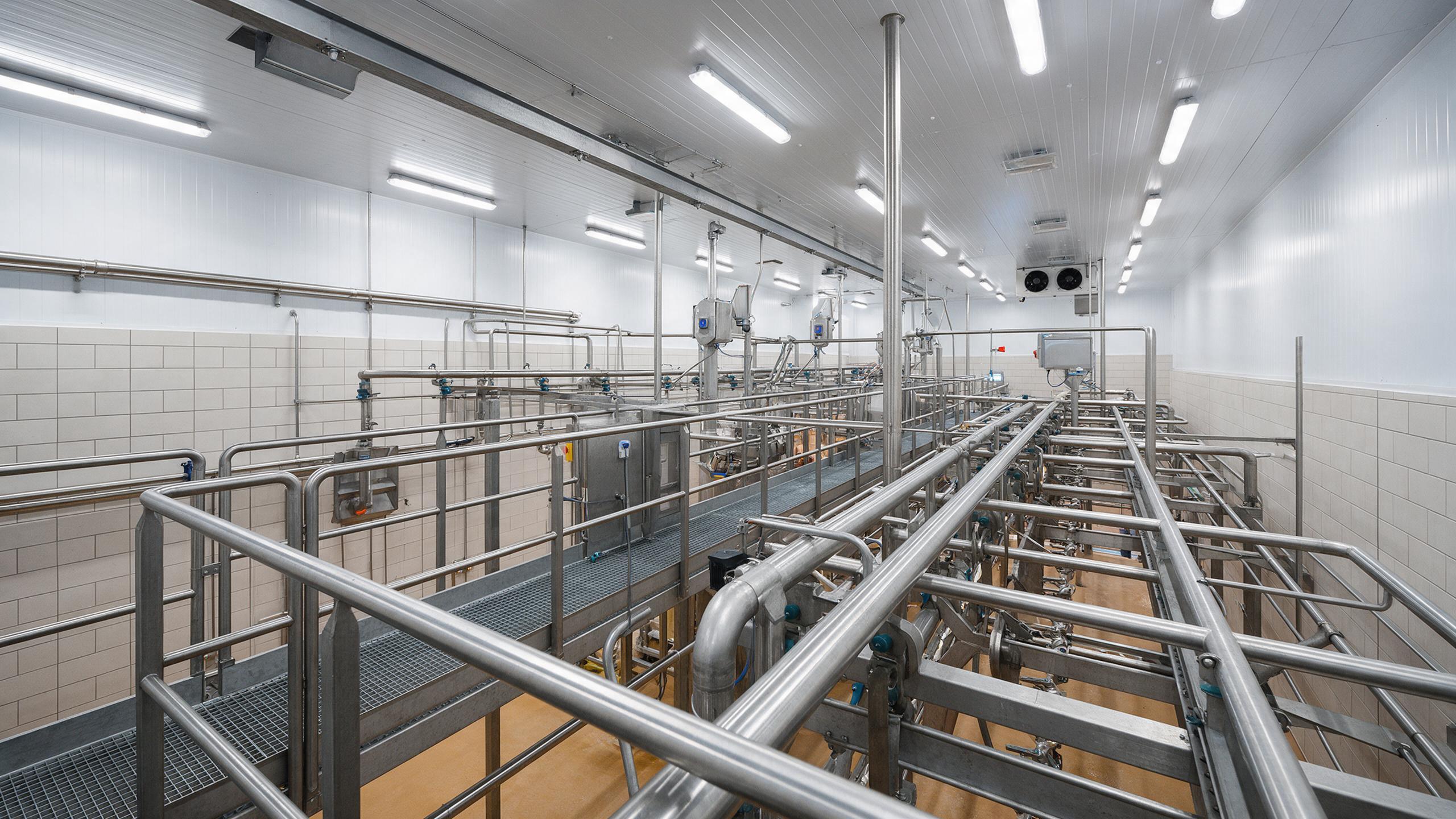
Why One Kazakhstan Line Cannot Fit Every Project
Kazakhstan is a large country with varied cattle and sheep sizes, site conditions and project models. A line serving a regional domestic market may prioritize simple maintenance and reliable output. An export-oriented plant may need more automation, stronger traceability, larger chilling capacity and documentation in more than one language. Both projects may use similar process stages, but the equipment selection and project controls can differ.
Climate is another major variable. Water lines, drains, compressed air and outdoor areas need protection from freezing. Electrical panels need condensation control. Equipment shipped long distances should be packed for multiple handling points and designed with spare parts available locally or held on site.
Define normal and future capacity
A first-stage line can reserve rail length, floor space and utility capacity for a future second shift or additional species without buying all equipment immediately.
Typical Cattle and Sheep Equipment Scope
Lairage and handling
Receiving, holding, inspection, races and controlled movement to restraint.
Restraint and bleeding
Cattle box or head restraint, sheep cradle and bleeding rails sized for the method.
Dressing
Hide puller, cattle platforms, skinning equipment and head or hoof stations.
Evisceration
Pans, transfer rails and tool-control points that support hygienic separation.
Splitting and inspection
Saw stations, product identity and routes for held or condemned material.
Chilling interface
Transfer rails and cold-room loading arranged to match the line rate.
Cattle Line Considerations
Cattle size affects the restraint, slaughter access, rail height and hide equipment. A producer with heavy bulls needs a different layout from a plant processing smaller cattle. The live weight distribution should be part of the technical brief. Hide handling should be separated from exposed carcass surfaces and provided with sufficient floor space.
See the halal cattle slaughter line for a more detailed process description. A Kazakhstan project should also check whether the building can maintain working temperatures and cleanable surfaces during winter.
Sheep and Goat Line Considerations
Sheep and goat projects can be compact, but weight variation and seasonal peaks still need consideration. A cradle, V-restraint or overhead system should provide safe access for the approved slaughter procedure. Skinning, inspection and product identification should be arranged so that the line does not become congested during peak production.
See the halal sheep and goat line for capacity and equipment information.
Cold-Climate Design Checklist
- Freeze protection for water and drains
- Low-temperature lubricants and seals
- Dry compressed air and moisture control
- Control-panel heating or insulation where required
- Winter access for loading and maintenance
- Anti-slip surfaces around wet or icy areas
- Protection for outdoor rails and conveyors
- Critical spare parts stored on site
- Utility capacity verified in winter conditions
- Training for cold-start and shutdown procedures
Halal and Export Planning
The project should confirm the current certification body, method and product scope before finalizing the line. If the plant intends to export, the buyer should also check whether the destination market recognizes the certificate. See the Kazakhstan halal certification page for the planning sequence.
Delivery and Installation
| Stage | Buyer preparation | Supplier support |
|---|---|---|
| Design | Building plan, capacity, weight range and certifications | Layout, process and equipment drawings |
| Manufacturing | Drawing approval and utility confirmation | Fabrication, testing and documentation |
| Delivery | Port, customs, inland transport and unloading | Packing, loading plan and shipment documents |
| Installation | Power, water, lifting, welding and site labor | Supervision, alignment and commissioning |
| Handover | Operators, spare parts and access | Training, test records and manuals |
Upgrade Strategy
An existing plant can be upgraded in stages. The first stage may focus on restraint, bleeding, hide handling or splitting, while a later stage adds capacity or automation. The master plan should reserve space and utilities so that the first investment is not stranded. Temporary operating arrangements should preserve hygiene and product identity during construction.
Preparing the Site Before Equipment Arrives
Long-distance projects benefit from a detailed site-readiness checklist. Confirm that the building is weather-tight, the floor levels and drains are complete, the rail supports are installed to the approved drawing and the electrical supply can carry the connected load. Water pressure, steam capacity, compressed-air quality and winter protection should be tested before shipment. If these systems are incomplete, the installation team may arrive without the conditions needed to commission the line.
The buyer should identify the personnel responsible for unloading, lifting, site security, utilities, welding and operation during installation. Local contractors need the latest drawings and a clear scope boundary. Spare parts and tools should be stored in a dry, controlled area. A small issue such as a missing lifting point, frozen water line or incorrect motor voltage can delay the entire project.
Training and maintenance planning should also start before commissioning. Operators need to understand the restraint, bleeding and dressing sequence, cleaning routines and emergency stop. Maintenance staff need to know the lubrication points, electrical protections, wear parts and fault-reporting process. A project handover is more reliable when the plant already knows who will own each task.
For an export project, verify the documentation and labeling requirements before the first shipment. The plant may need a technical file that links equipment, process, cleaning, calibration and traceability. If the buyer intends to use a certification mark or export health documentation, the relevant authority should confirm the scope. These requirements can affect product identification, storage and release areas, so they should be included in the master plan rather than added after construction.
Frequently Asked Questions
Can one supplier provide both cattle and sheep lines?
Yes. The project can use separate lines or controlled shared areas, depending on capacity and layout.
Can equipment be adapted for winter operation?
Yes. Utility protection, lubricants, control panels and maintenance procedures should be specified for the site climate.
Can the line be delivered by rail?
Equipment can be packed for road or rail logistics. The route, unloading and module sizes should be confirmed.
Do you provide Russian documentation?
The required documentation language should be agreed in the quotation and contract.
Can the plant start small and expand?
Yes. Reserve space, rail and utility capacity rather than purchasing every process stage at once.
Plan for cattle, sheep and winter operating conditions
Send the species, weight range, capacity, site location and building plan. We will prepare a cold-climate equipment scope.