Indonesia Slaughterhouse Equipment | RPH Modernization
Slaughterhouse Equipment for Indonesia RPH Projects
Indonesia combines a large domestic meat market with active modernization of regional RPH facilities, food-safety improvements and seasonal Qurban demand. Projects may focus on cattle, sheep, goats or a mixed animal plan, and often need to coordinate with halal and veterinary review.
Zhengye supplies cattle and sheep slaughter line equipment, from restraint and bleeding through dressing, evisceration, inspection, splitting and chilling. The line is configured around capacity, building conditions and the current certification path.
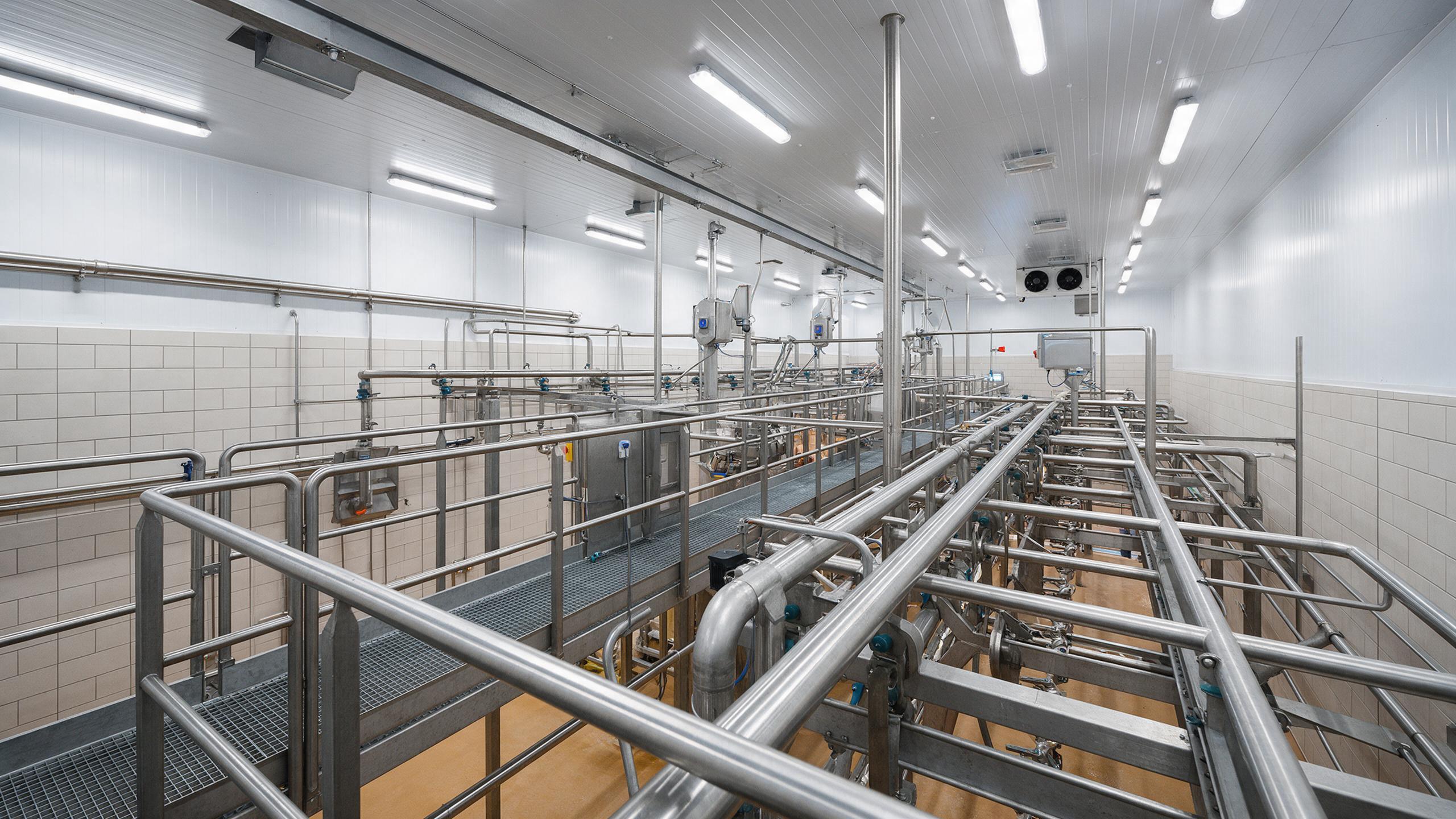
What Is Driving RPH Modernization in Indonesia?
Many projects begin with a need to improve hygiene, control slaughter operations, increase capacity or meet customer and authority expectations. A new or upgraded RPH may need clearer separation between dirty and clean work, better temperature control, reliable stunning or no-stun handling, improved product identification and documentation. The exact drivers differ by region, municipality and owner.
The buyer should define whether the project is a new facility, a line replacement or a staged upgrade. Existing buildings can offer savings, but height, drainage, column spacing, floor level and utility capacity can limit the layout. A layout review should happen before equipment selection, not after the machines arrive.
Plan normal and peak capacity separately
A line that handles daily production comfortably may still be inadequate during Qurban or another seasonal peak. Temporary stations, rail length, holding space and chilling must be considered together.
Typical Indonesia Project Scope
Receiving and lairage
Animal unloading, holding, inspection and controlled movement to restraint.
Restraint and bleeding
Cattle head restraint or rotary box; sheep and goat cradle; rails and hooks.
Dressing
Platforms, hide or skin equipment, head and hoof stations, evisceration and splitting.
Inspection
Lighting, product identification and routes for approved, held and rejected material.
Chilling
Rails, transfer systems and cold-room interfaces sized to the processing rate.
Utilities and controls
Power, water, steam, compressed air, drainage and control equipment for tropical conditions.
Capacity Ranges and Line Selection
Cattle lines commonly range from about 20 to 500 head per day, while sheep and goat lines may range from 100 to 3,000 head per shift. These are planning bands, not guarantees. Actual output depends on animal weight, working hours, inspection, stunning policy, worker count, chilling and product mix.
The project should identify the bottleneck. Restraint may handle a higher instantaneous rate than dressing, and the chiller may limit the daily total. A proper quotation shows the assumptions behind the rate and the interfaces that the buyer must provide. See the halal cattle line and halal sheep and goat line for process details.
Halal and Food-Safety Coordination
Indonesian halal review and food-safety inspection have different responsibilities but overlapping physical requirements. Restraint, slaughter access, bleeding, knife control, separation, cleaning and traceability must work in daily production. The equipment can support these controls, but the plant must manage personnel and records.
See the MUI and BPJPH project page for planning questions. Confirm the current legal process and method with the authority or authorized adviser.
Tropical Climate and Washdown Design
- Corrosion protection for stainless and painted steel
- Moisture protection for motors and control panels
- Ventilation and condensation control
- Insect and pest exclusion
- Drainage sized for regular washdown
- Non-slip floor surfaces
- Water quality and pressure checks
- Power-voltage and fluctuation protection
- Accessible maintenance in humid areas
- Spare parts for tropical operating conditions
Layout Principles for an Indonesian RPH
The line should move animals in one direction and keep finished product away from live animal and dirty operations. Hides, skins, offal and waste should not cross exposed carcass surfaces. Knife sterilization and hand-wash points should be near where workers make hygiene decisions. The chiller entrance should be arranged to prevent congestion at the end of the line.
Product identification should remain visible through inspection, splitting and chilling. Condemned material should have a controlled route. Maintenance access should not force staff to cross clean areas with tools or parts. These details make the facility easier to operate and inspect.
Upgrade or New Build?
| Project type | Advantages | Key checks |
|---|---|---|
| New RPH | Layout can be designed around process and capacity | Land, utilities, planning, budget and certification |
| Existing building upgrade | Lower civil cost and faster start | Height, drainage, columns, floors and clearances |
| Staged replacement | Keeps some operations running | Construction sequence, temporary lines and hygiene separation |
| Capacity expansion | Uses existing site and market position | Utility, chilling, lairage and waste bottlenecks |
Equipment and Documentation Package
A complete proposal should include process flow, layout, equipment list, capacities, materials, utility requirements, electrical information, packing plan and commissioning scope. For certification, the buyer may also need drawings, cleaning instructions, maintenance information and operating manuals. The document language should be agreed before production.
Installation and Delivery Planning
Indonesia has varied port, road and site conditions. The packing and container plan should consider unloading, transport to the site, lifting equipment and available storage. The project schedule should align civil work, utilities, equipment arrival, installation, commissioning and training. Delays often occur when the building or power supply is not ready when the equipment arrives.
Before shipment, confirm the final building dimensions, rail height, drain positions and utility connection points. If the equipment arrives before the room is ready, moisture, dust and accidental damage can create warranty disputes. A pre-installation checklist should identify who provides scaffolding, lifting, welding, electrical connection, water, steam and testing materials. The same checklist should define the commissioning acceptance criteria and the person authorized to sign off each stage.
Frequently Asked Questions
Can you design a line for Qurban peak demand?
Yes. The design should separate normal and peak capacity and confirm temporary stations, staffing, rail and chilling.
Do you supply both cattle and sheep equipment?
Yes. The line can be dedicated to one species or configured for controlled multi-species operation where the building and certification scope allow.
Can an existing RPH be modernized?
Often yes, but the building must be measured for height, drainage, structure, utilities and hygiene separation before the layout is fixed.
Does the line include refrigeration?
Zhengye can coordinate rails and interfaces with the cold room. The refrigeration scope should be defined clearly in the project boundary.
What information is needed for a quotation?
Species, capacity, site location, building plan, power and water conditions, product route and certification target.
Plan an RPH around actual Indonesian conditions
Send the animal mix, required capacity, building plan and certification target. We will prepare a practical equipment and layout scope.